Shopping or selling a luxury home in Green Valley and wondering if you’ll need a jumbo loan? You’re not alone. Understanding how loan limits work can save you money, time, and stress. In this guide, you’ll learn the 2025 thresholds for Greenville County, how jumbo and conforming loans compare, and how to choose the best path for your price point. Let’s dive in.
2025 loan limits in Greenville County
In 2025, the conforming loan limit for one‑unit properties in Greenville County is $806,500. Any mortgage amount above that is usually treated as a jumbo, or non‑conforming, loan by lenders. You can confirm the national baseline and how FHFA sets limits in the FHFA announcement on 2025 loan limits, and see South Carolina county figures in Bankrate’s county-by-county table.
FHA and VA have their own program limits. For 2025, HUD’s national FHA floor for a one‑unit home is $524,225. Check current program details in HUD’s FHA loan limits update.
Note: Limits and rates change. The figures in this article reflect 2025 values. Always verify the latest numbers with FHFA and HUD.
Jumbo vs. conforming at a glance
Conforming loans meet Fannie Mae and Freddie Mac standards and stay at or below the county limit. Jumbo loans exceed the local limit and follow each lender’s portfolio rules.
Key differences you’ll notice
- Credit score: Jumbos often favor 700 to 740+ for best pricing. Conforming loans can allow lower minimums depending on the program. Source
- Debt-to-income: Jumbo lenders commonly prefer lower DTIs, often 43% or less. Conforming can stretch higher with compensating factors. Source
- Down payment: Jumbo loans often require larger down payments. Ten to twenty percent down is common. Conforming options may allow lower down. Source
- Reserves and paperwork: Jumbos may require 6 to 12 months of reserves and more documentation. Conforming reserve needs are often lower. Source
- Mortgage insurance: Conforming loans with over 80% loan-to-value typically require PMI. Many jumbo lenders price for risk without PMI. Source
- Rates and fees: Jumbo rates are not always higher. Pricing varies by market, lender appetite, and your profile. Compare quotes. Source
When jumbo comes into play in Green Valley
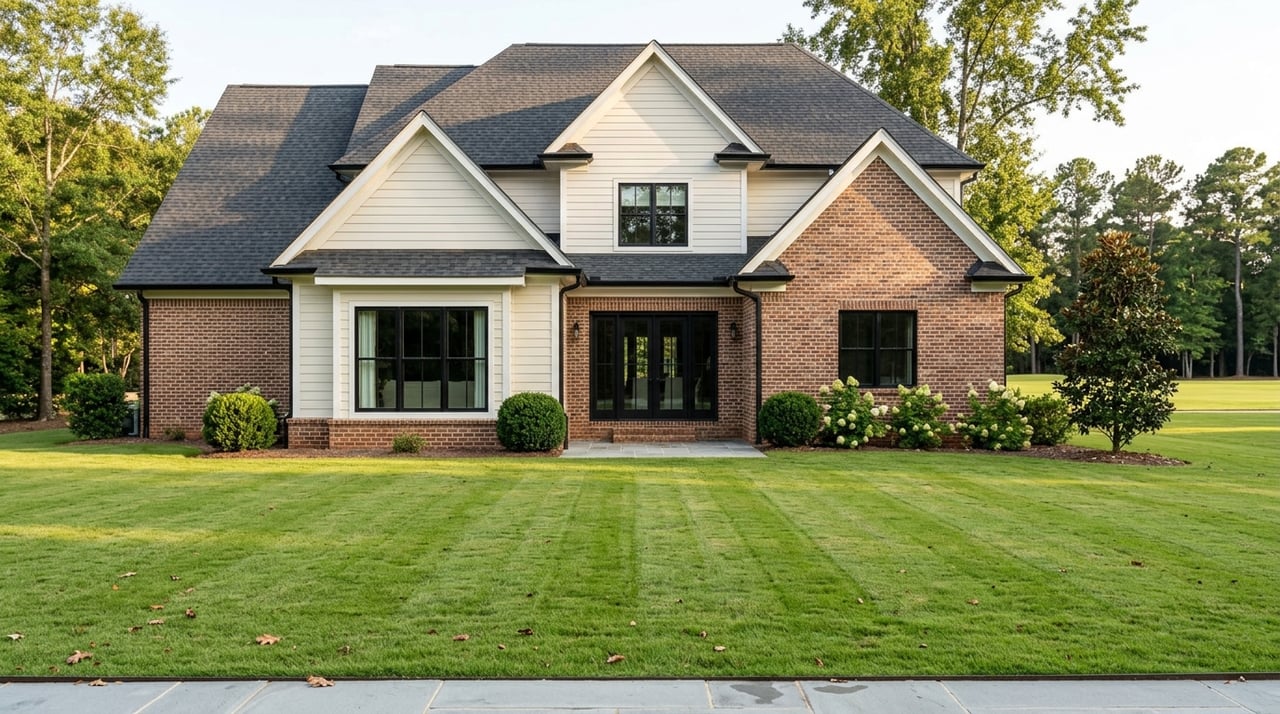
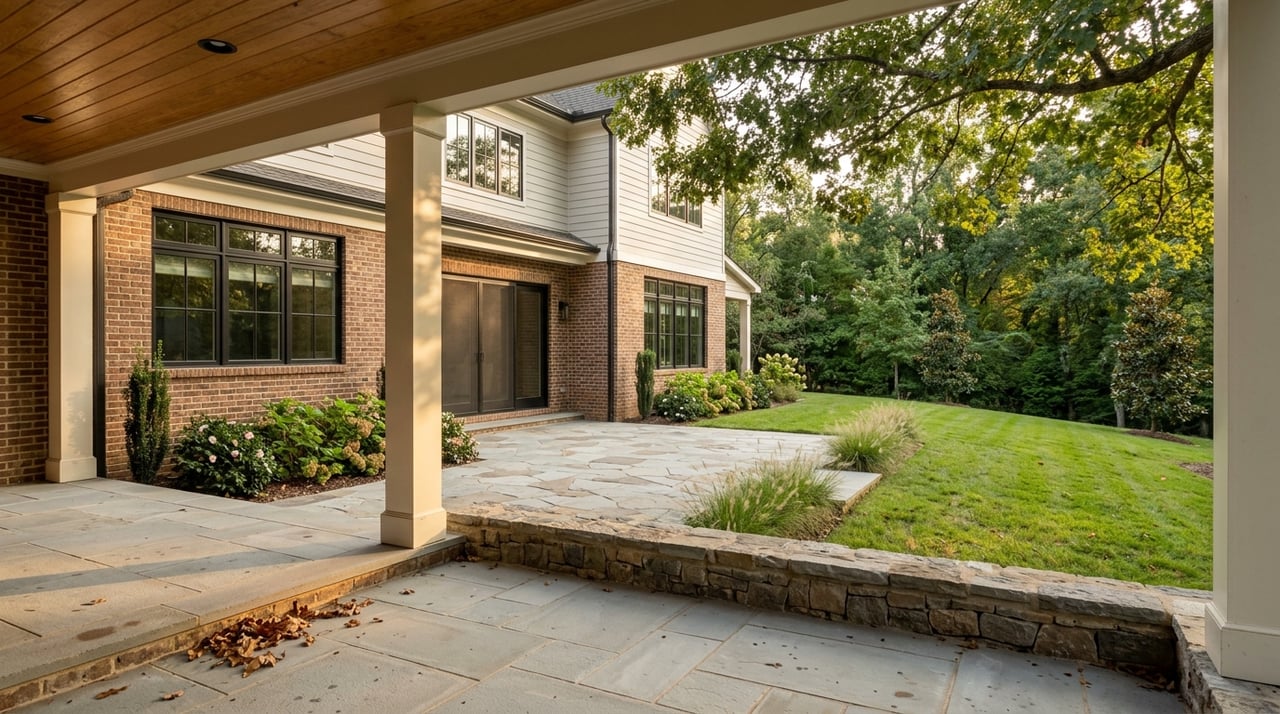
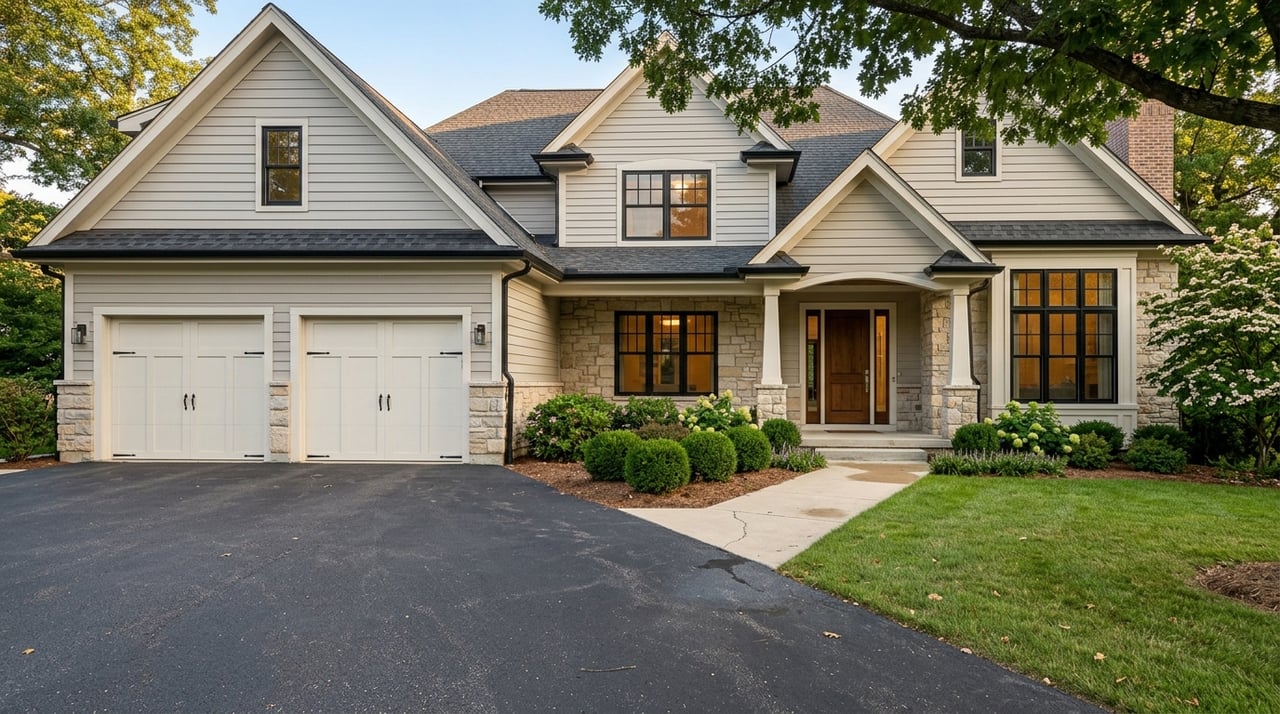
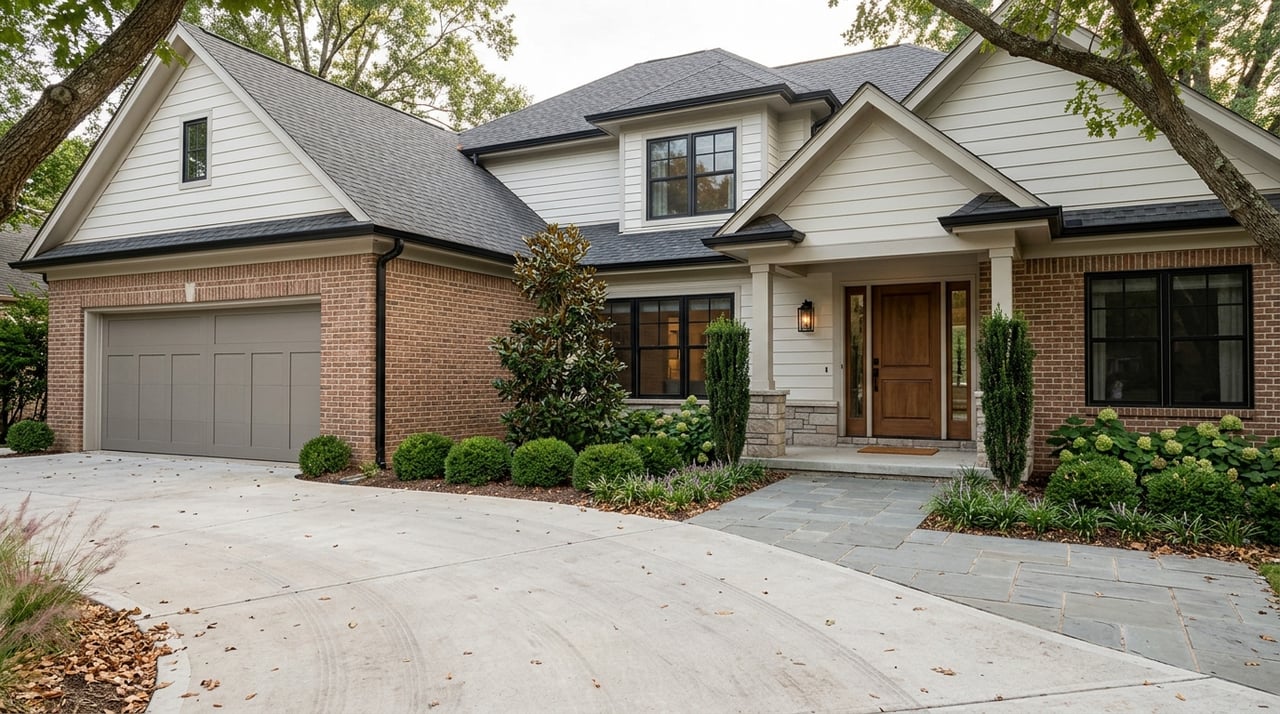
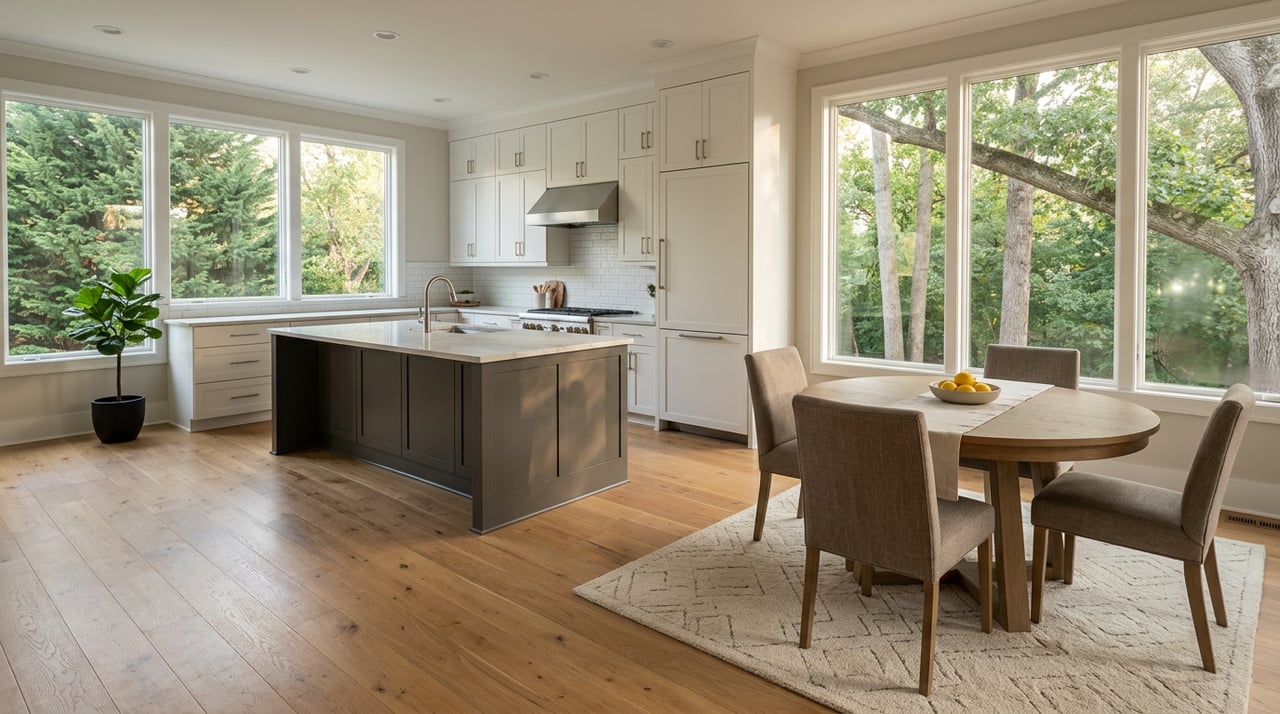
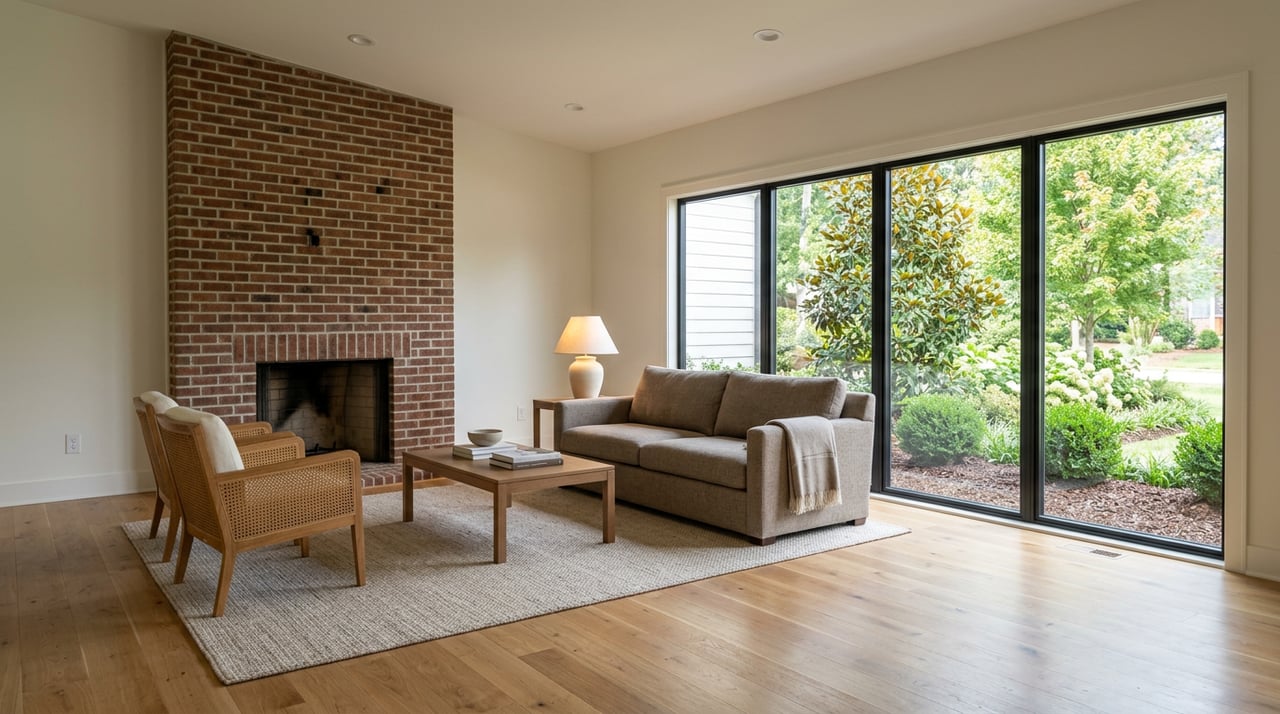
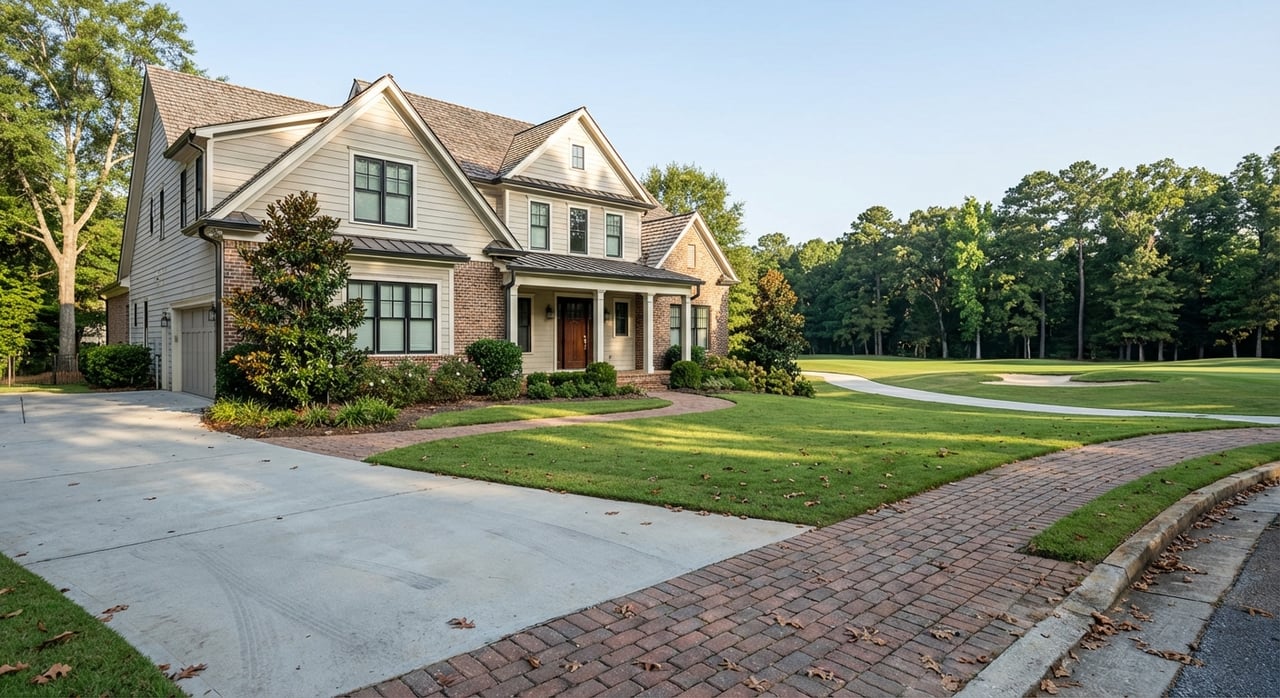
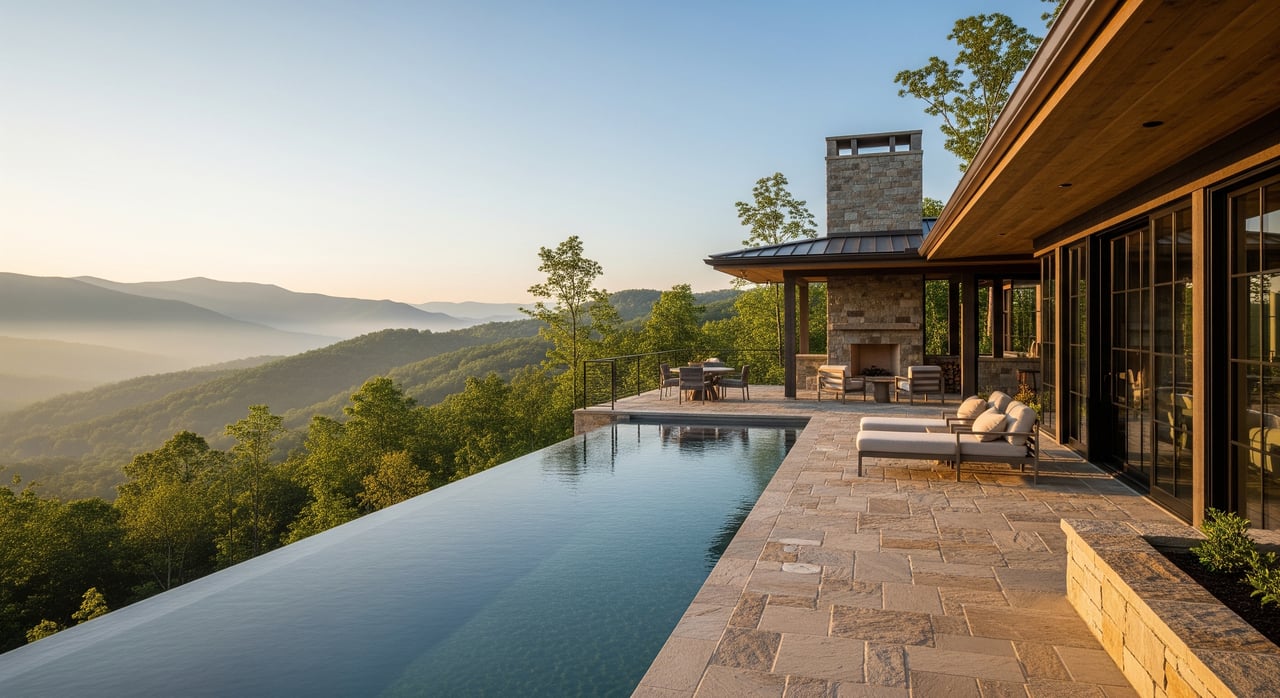
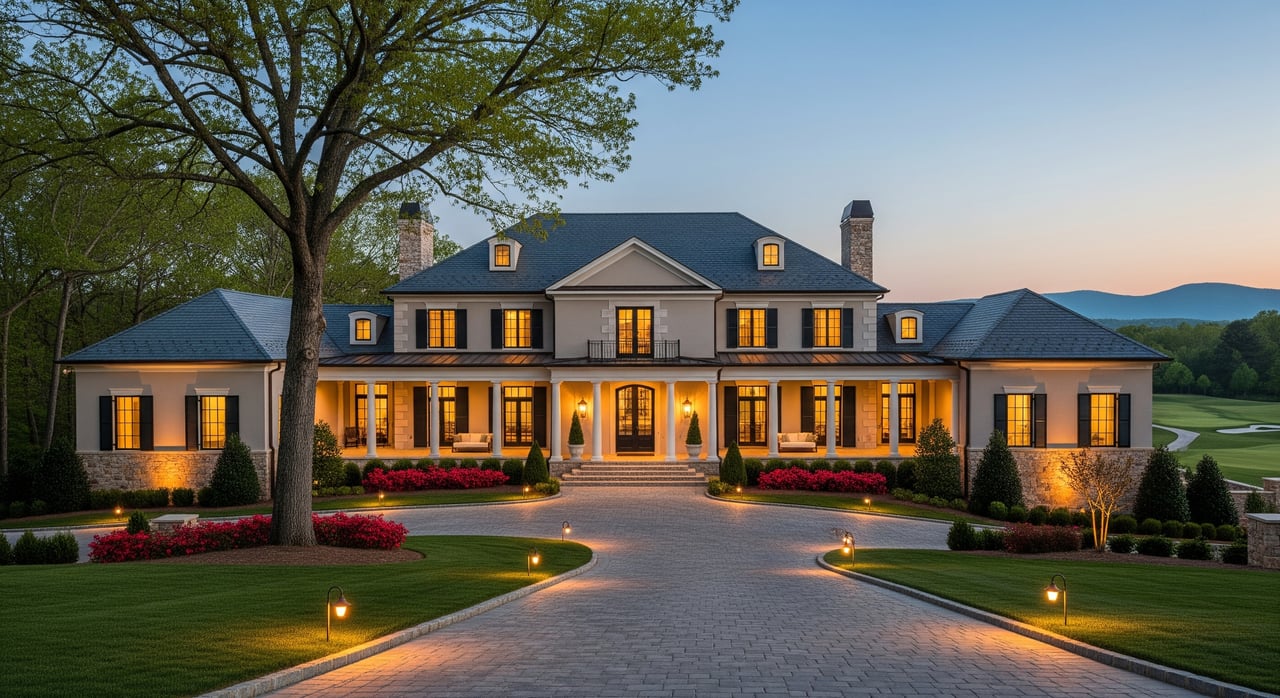
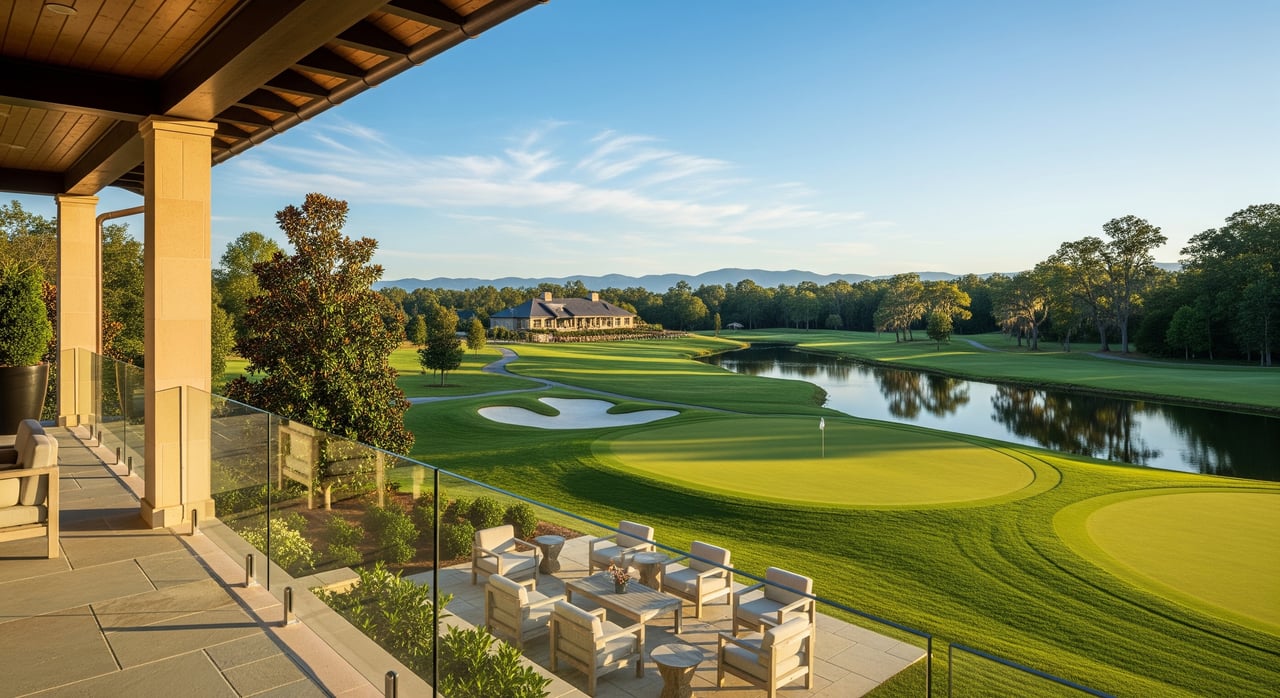
Luxury properties near lakes, golf courses, and mountain-view communities can push loan amounts above $806,500, especially when you finance upgrades or purchase a second home. If your purchase price minus down payment puts your mortgage over the county limit, plan for jumbo underwriting and documentation.
If your loan amount can be kept at or below $806,500, you’ll typically have wider lender choice and access to conforming pricing. Ask lenders to model both paths so you can compare total costs and cash needed.
Two smart paths to finance
Path 1: Stay conforming by increasing down payment
- Pros: Wider lender options, standardized guidelines, potential for lower fees and PMI choices.
- Cons: Higher upfront cash, possible opportunity cost for your savings or investments.
- How to decide: Ask for a side‑by‑side quote at a conforming loan amount versus your current plan. Use the county limit as your target. Learn how limits work.
Path 2: Choose a jumbo mortgage
- Pros: Finance more with one loan, no PMI structure in many cases, competitive rates for strong borrowers.
- Cons: Stricter credit, reserve, and documentation requirements; fewer lenders; possible pricing differences.
- How to decide: Shop at least two jumbo lenders or portfolio banks. Underwriting rules vary. What to expect with jumbos.
What to ask your lender
- What are today’s rates and total costs for both conforming and jumbo options?
- How much in reserves will I need after closing?
- Exactly which documents do you need from me, and when?
- How long can I lock my rate, and what are the lock terms?
- Do you keep jumbo loans in portfolio or sell them after closing?
- What credit score and DTI do you use for best pricing tiers? Consumer mortgage basics
Buyer checklist for luxury financing
- Aim for a strong credit score, ideally 720+ for top jumbo pricing. Source
- Gather two years of tax returns, W‑2s, and three months of bank statements. Source
- Document assets and be ready to verify large deposits. Source
- Expect to show reserves, sometimes 6 to 12 months of payments. Source
- Get pre‑approved by at least two lenders, including one with jumbo expertise. Source
Seller tips for high‑end listings
- Price with financing in mind. If your price implies a loan above $806,500, expect many buyers to use jumbo financing.
- Ask for strong pre‑approval letters and proof of funds early, so your deal stays on track.
- Highlight features that support value, then pair them with premium presentation. Teresa’s approach uses professional staging, cinematic video, and property‑specific microsites to attract well‑qualified, out‑of‑area buyers. That targeted storytelling helps reach jumbo‑ready prospects and supports premium results.
If you are weighing your options, you do not have to guess. For clear guidance and a tailored plan for your price point, connect with Teresa Jones.
FAQs
What is the jumbo loan threshold in Greenville County for 2025?
- Any mortgage amount above $806,500 is generally considered jumbo in Greenville County. Source
Can I avoid a jumbo loan by putting more money down in Green Valley?
- Yes. If you increase your down payment so the loan amount is at or below $806,500, you can access conforming products. Compare total costs before you decide. Source
Are jumbo mortgage rates always higher than conforming rates in 2025?
- Not always. The spread changes with markets and borrower profiles, so it pays to compare multiple lender quotes. Source
Do FHA or VA loans work for luxury homes in Greenville County?
- FHA and VA have program limits. If the required loan exceeds those limits, the program will not cover the full amount. Check current limits with HUD. Source