Open two browser tabs. In one, the City of Greenville median sale price sits at $490,000 and the median price per square foot at $317 for the three months ending May 2026. In the other, Green Valley Country Club's neighborhood-level median works out closer to $252 per square foot for 2026. A quick glance suggests Green Valley is the cheaper address. It isn't. It's a different product, and the number that looks like a discount is really a category error.
That gap is the entire story for a buyer comparing this pocket of northern Greenville County against Five Forks, North Main, or the Cliffs. Once you understand what the per-square-foot figure is actually measuring, the way you write an offer here changes.
The Number That Misleads
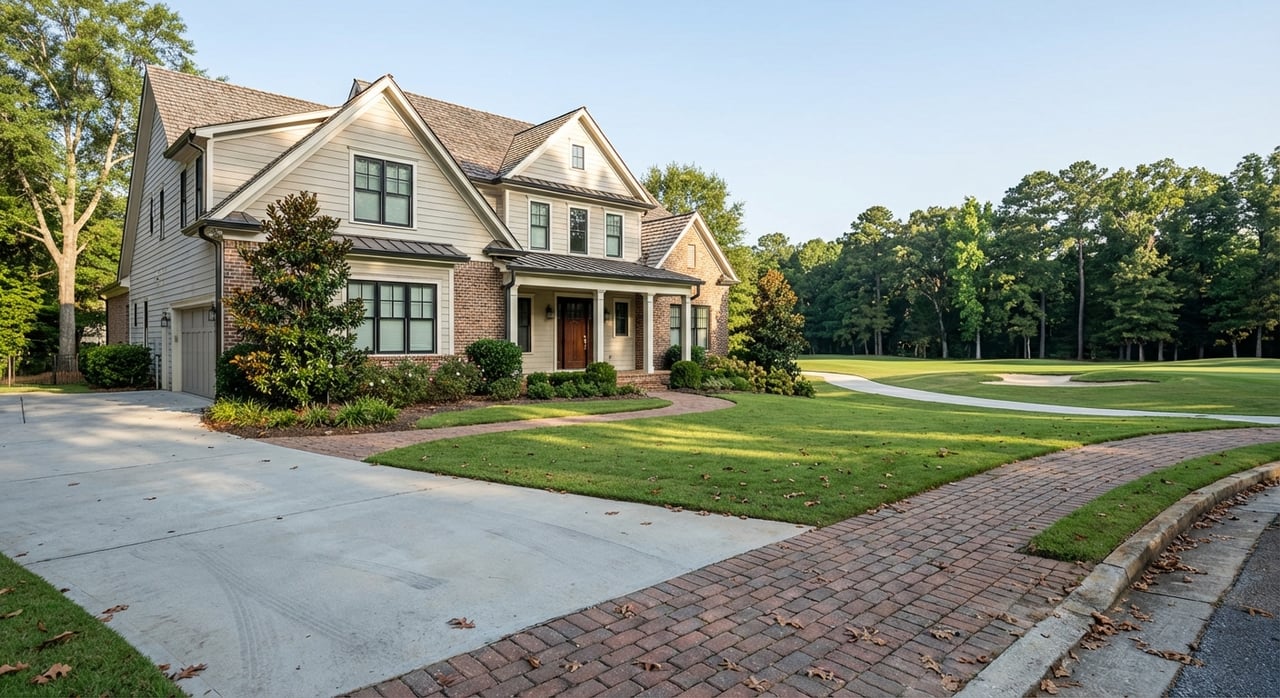
Price per square foot rewards density. It treats a 3,400-square-foot house on a quarter-acre lot the same way it treats a 3,400-square-foot house on two and a half acres of professionally landscaped ground looking out over a championship fairway. Both get divided by the same denominator. Only one comes with the land.
Here is the comparison a portal will not draw for you:
| Metric (2026) | City of Greenville | Green Valley |
|---|---|---|
| Median $/sf | $317 | ~$252 |
| Typical lot | Suburban standard | ~2.17 acres |
| Days on market, YoY | 56, up from 49 | 159, down from 267 |
| Sale-to-list ratio, YoY | ~98% citywide | 94%, up from 88% |
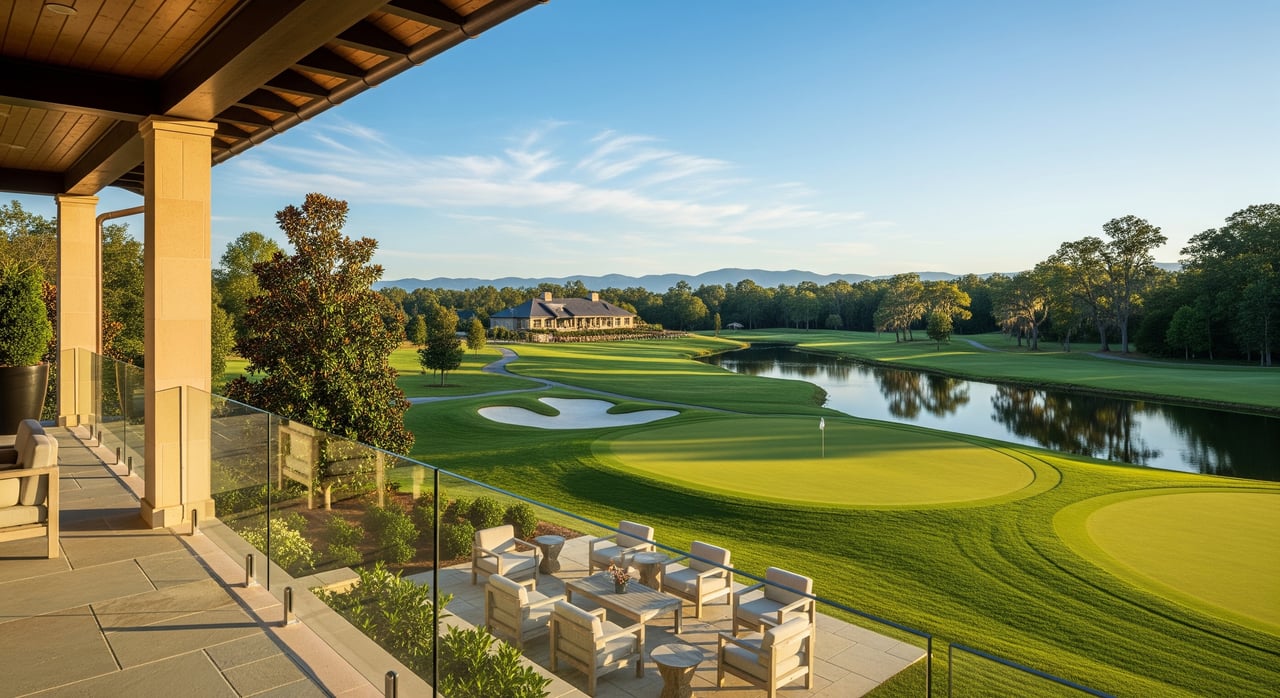
The per-square-foot number is lower in Green Valley because the denominator is being spread across a house that sits on roughly five times the land of a typical suburban parcel, wrapped around an 18-hole George W. Cobb course dating to 1958. You are not paying less per foot of house. You are paying for acreage, mature canopy, and a view corridor the city median cannot express.
What the Extra Land Is Actually Doing
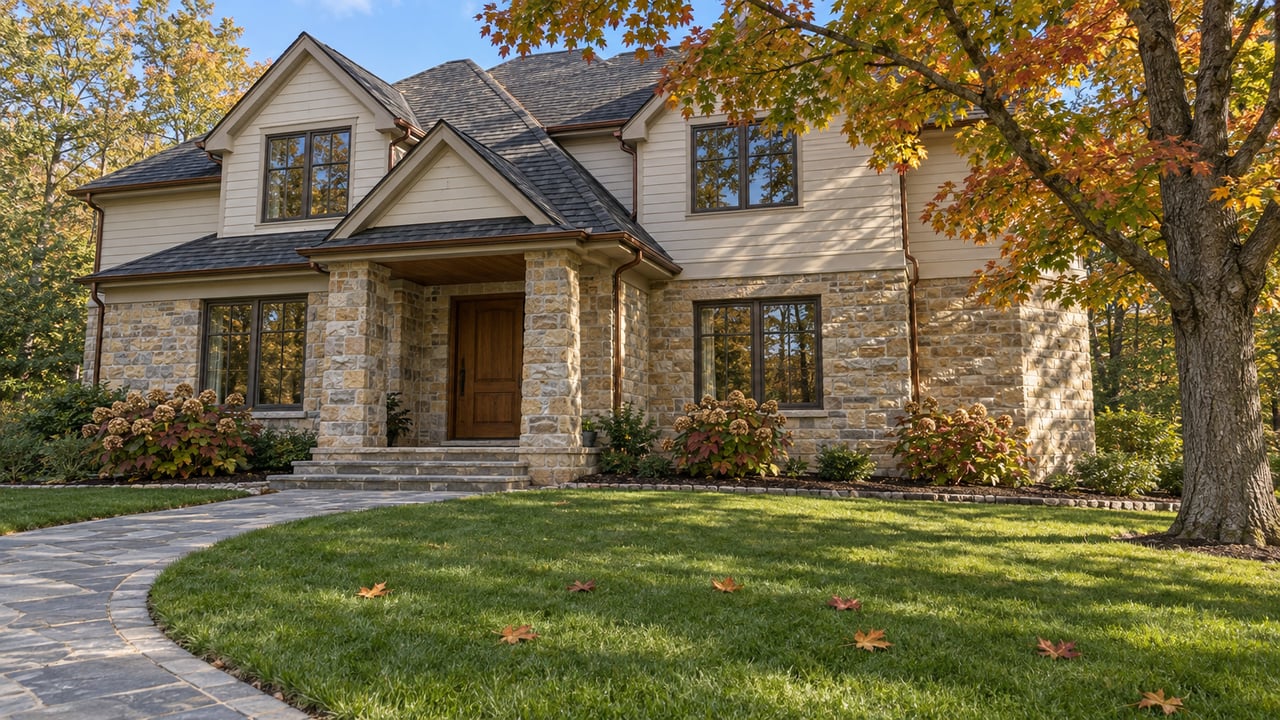
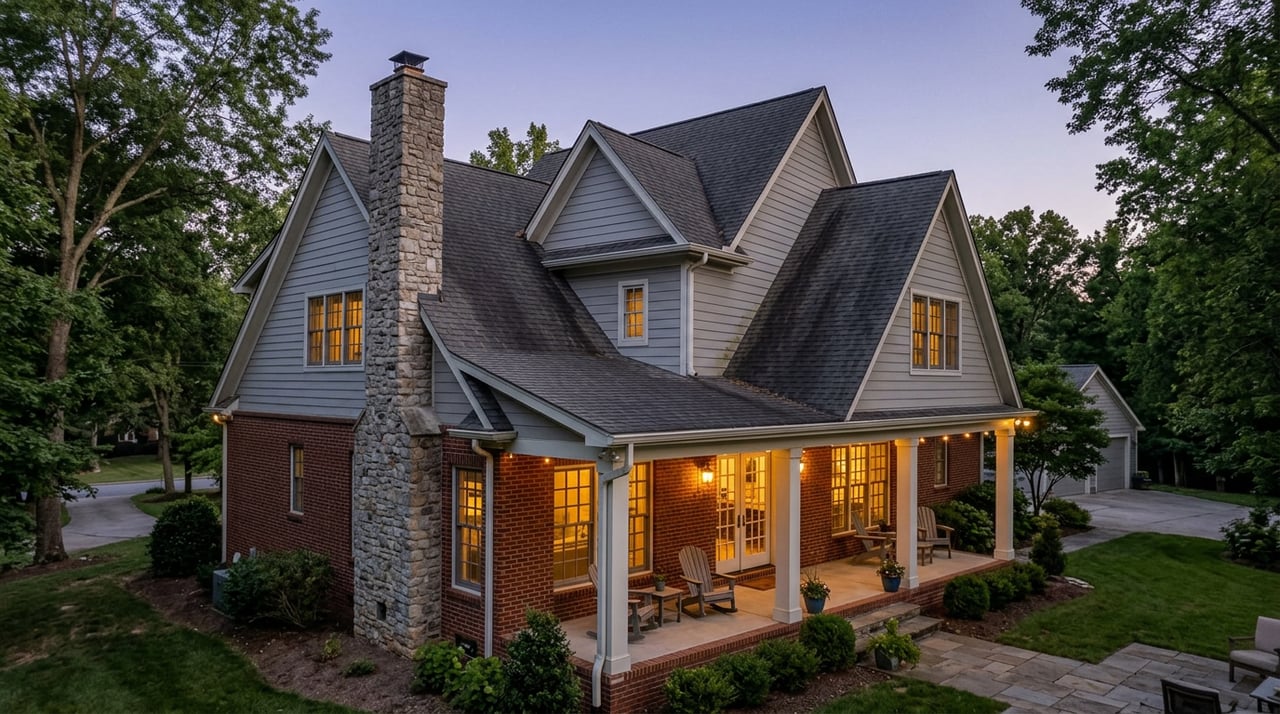
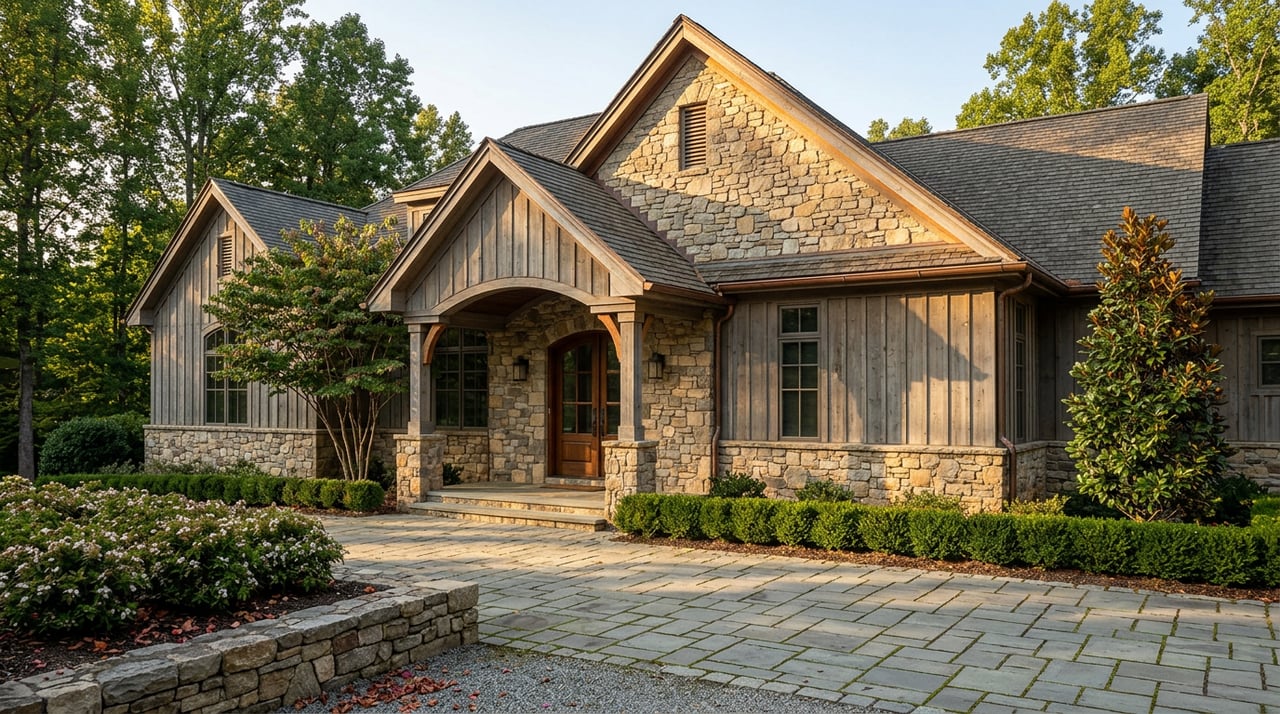
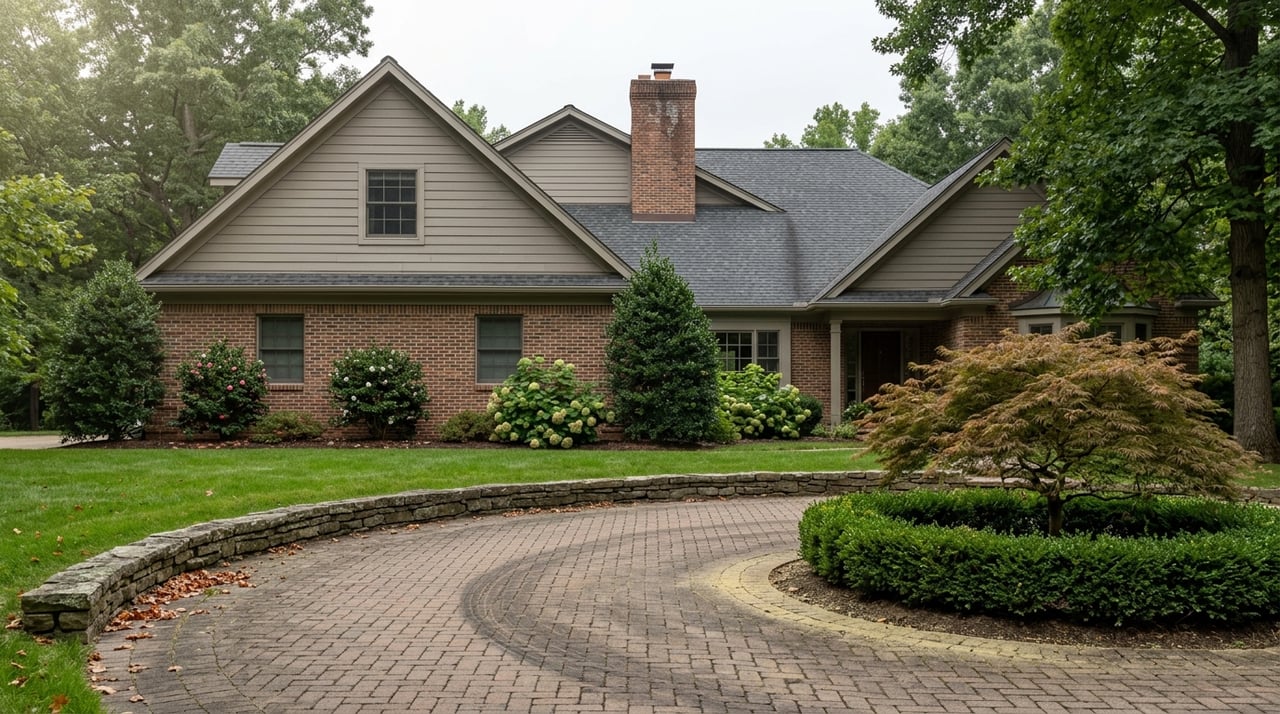
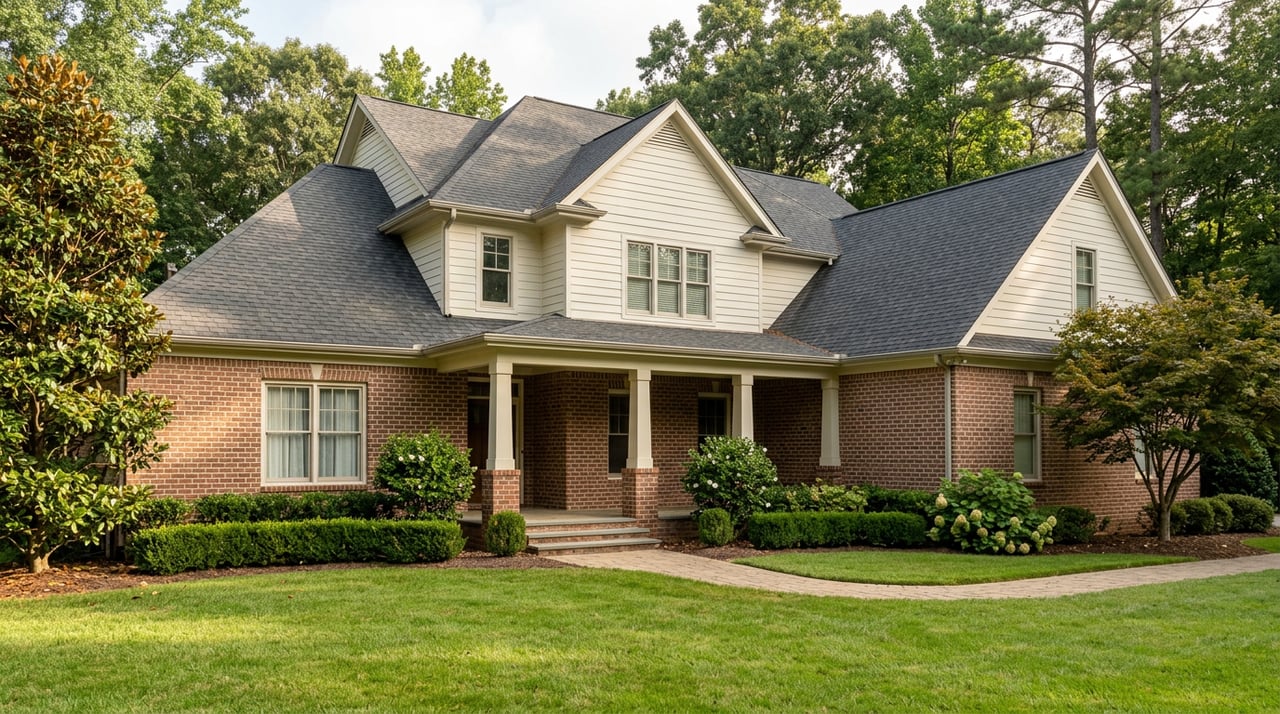
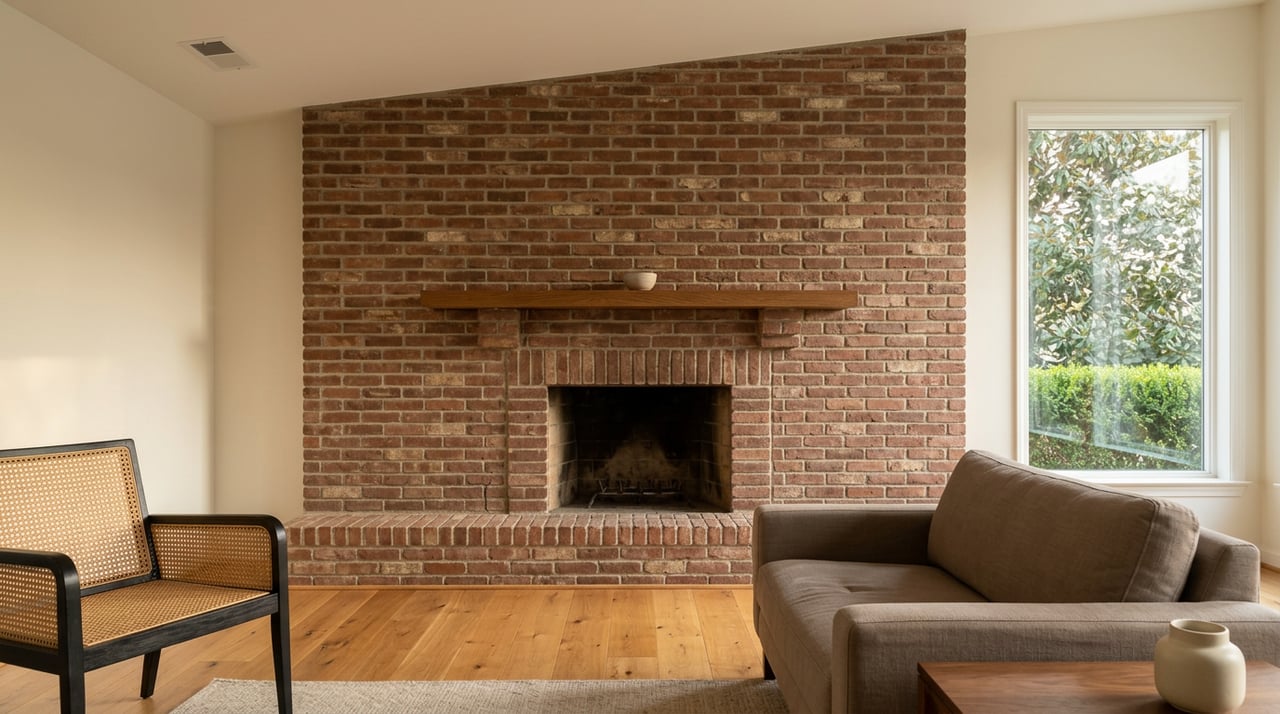
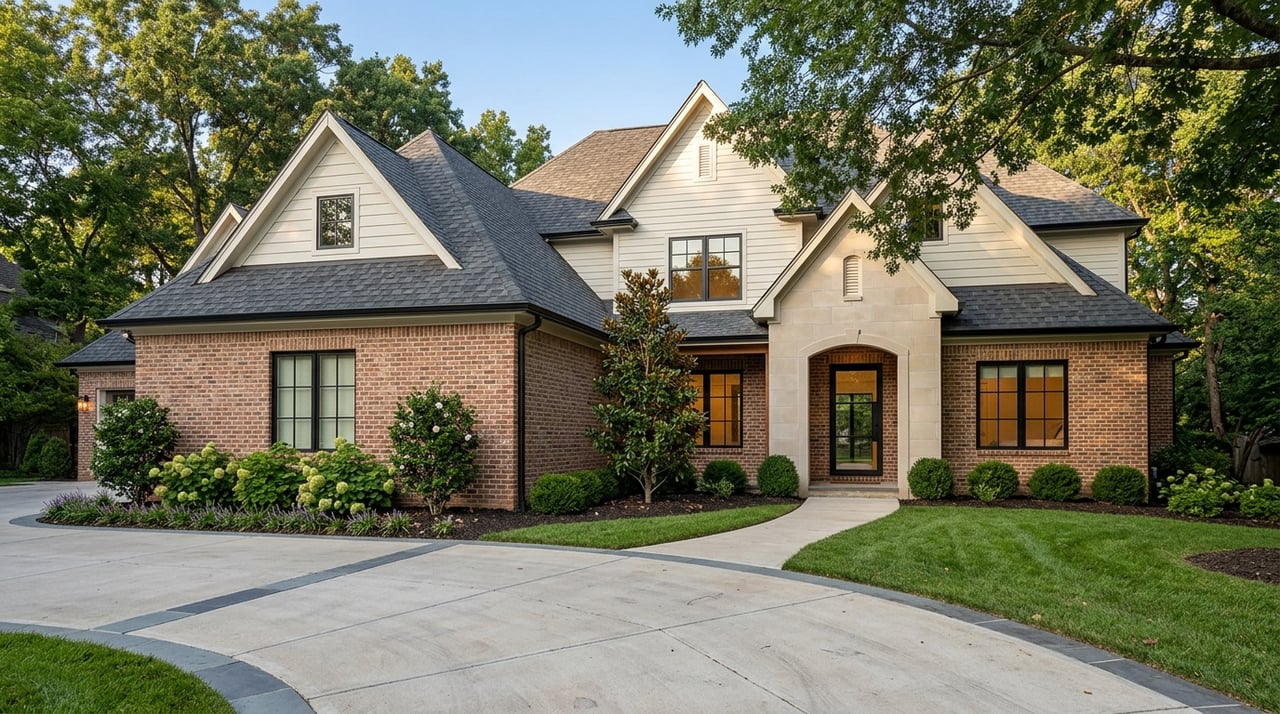
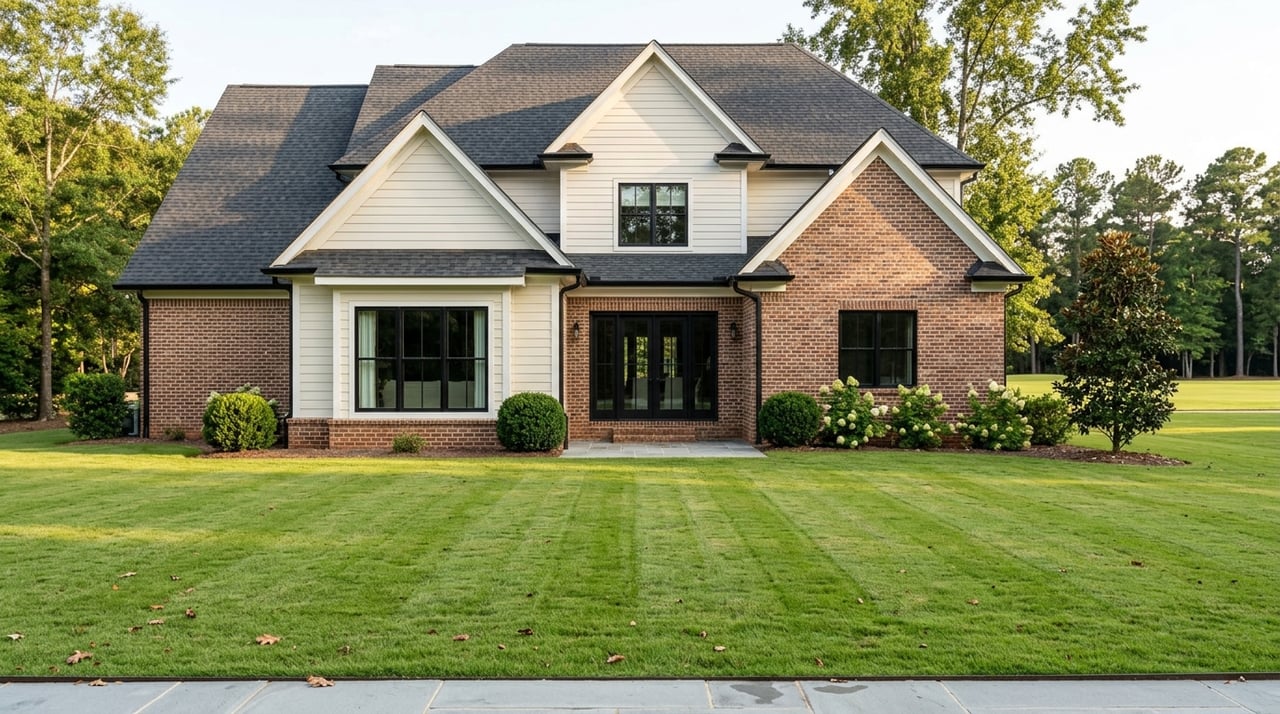
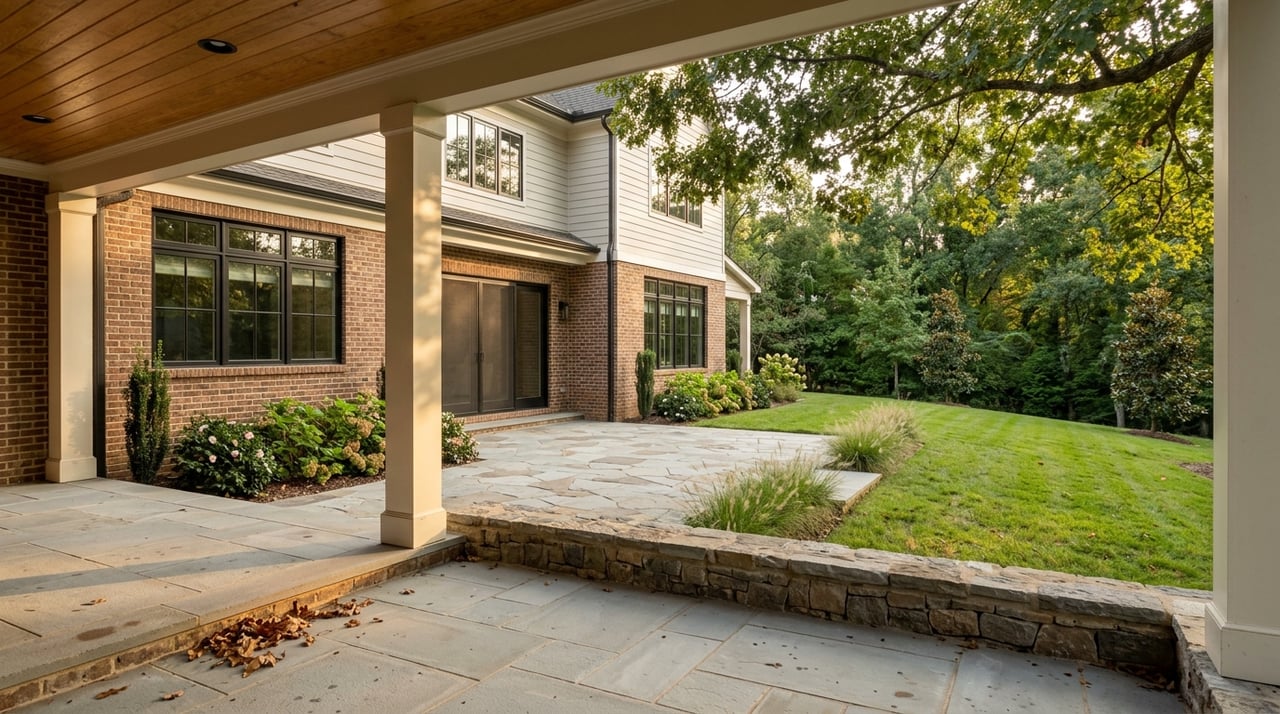
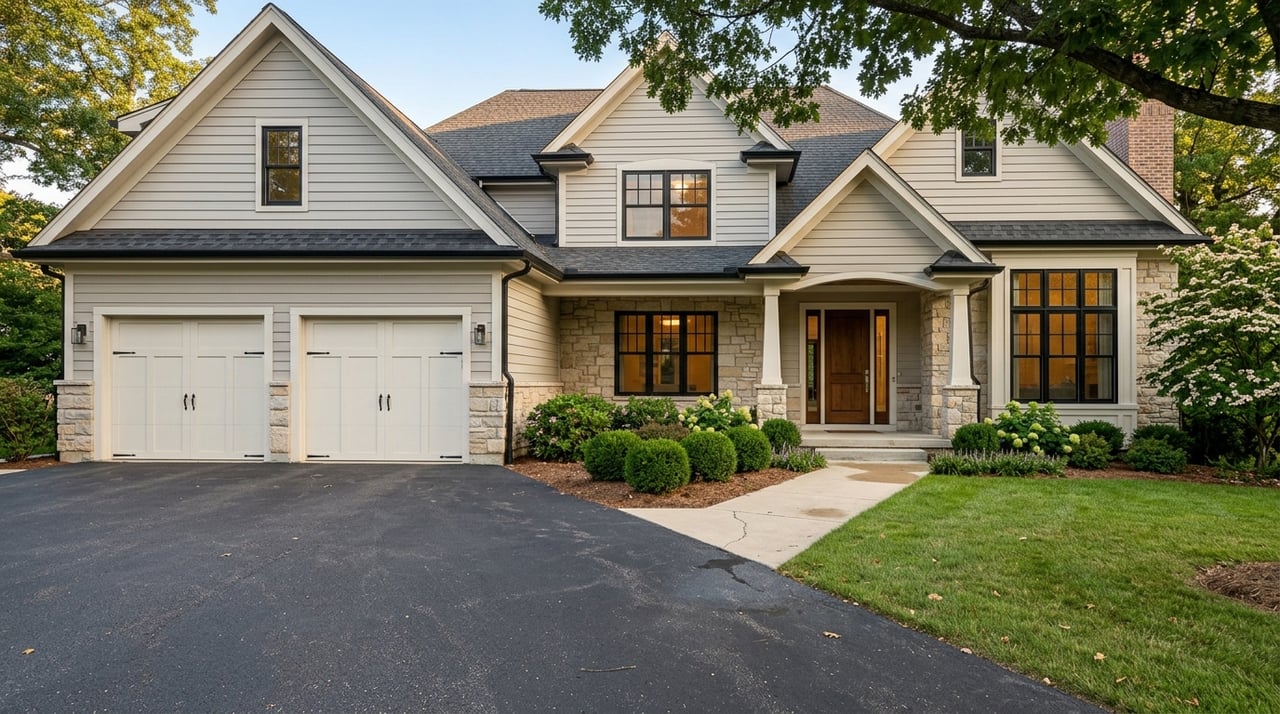
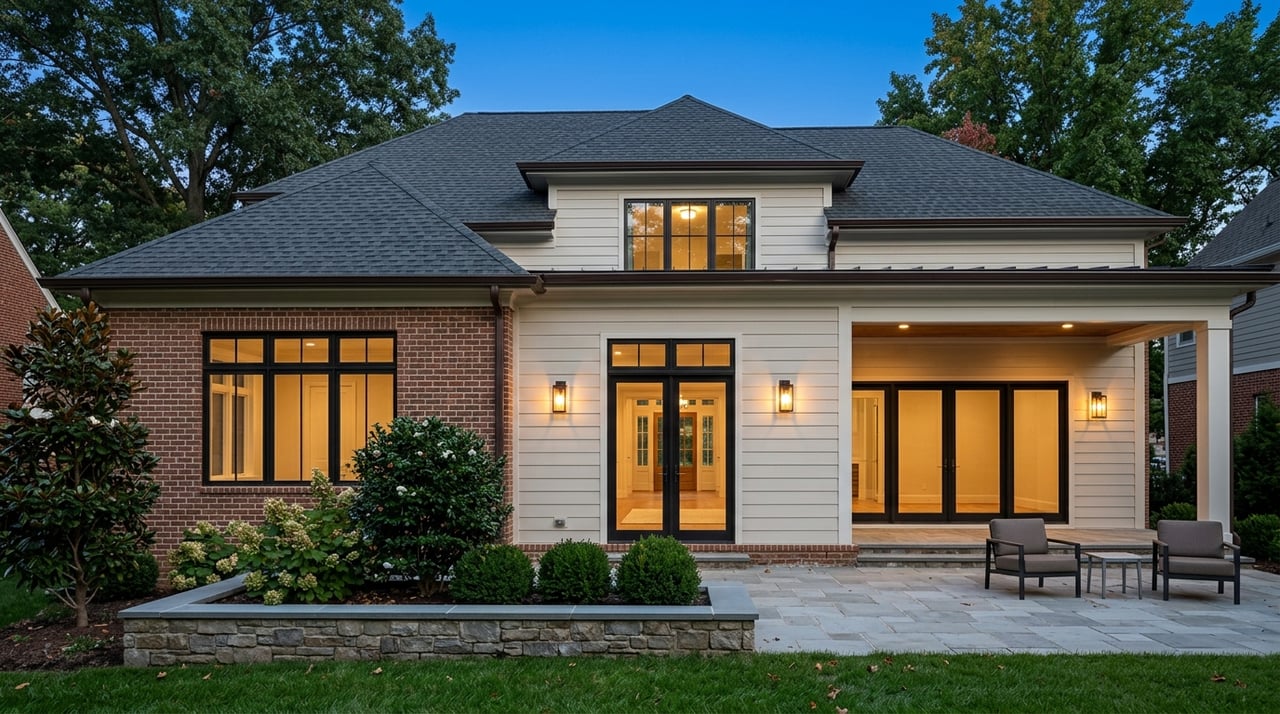
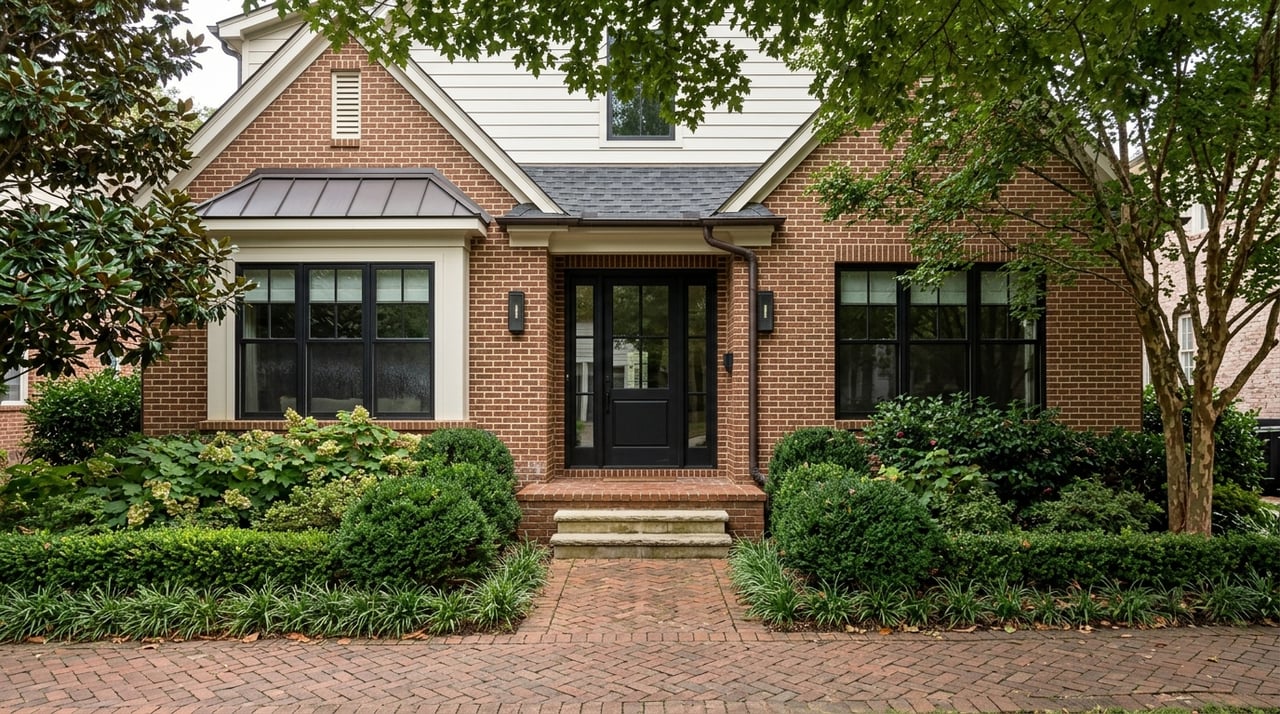
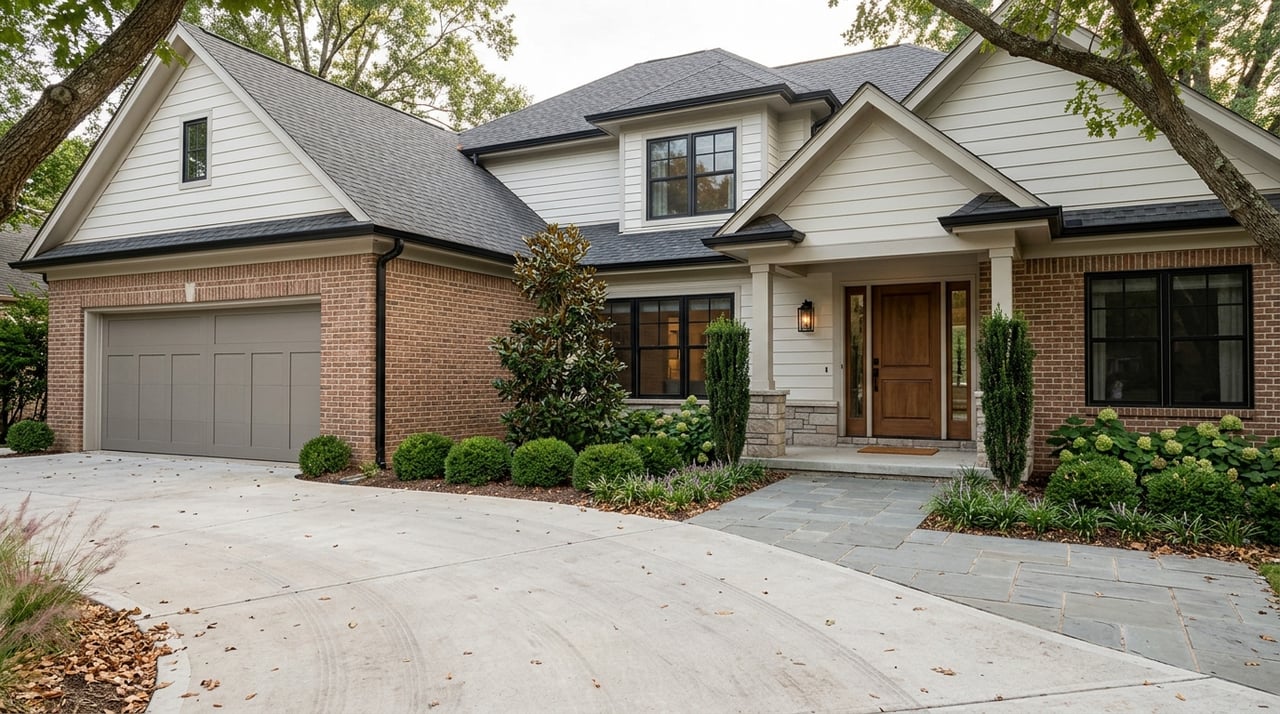
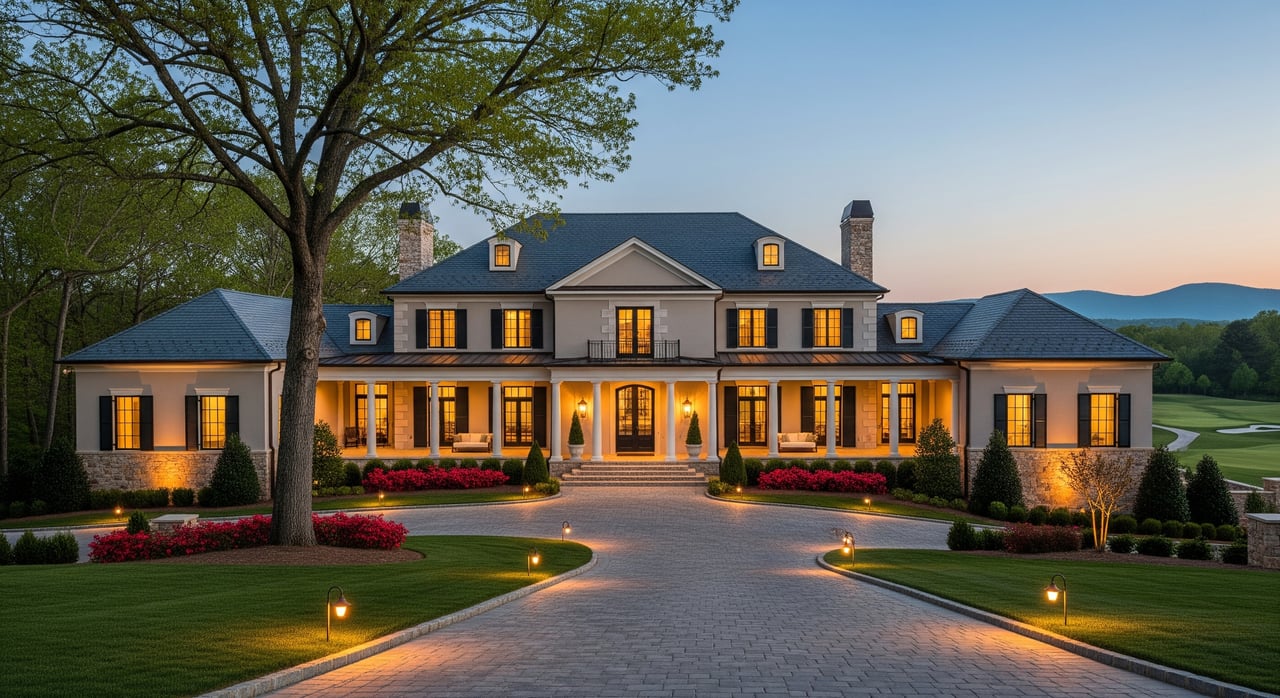
Green Valley's homes were built between 1950 and 2021, most of them architect-designed customs on estate-sized parcels. Many of them command dual views: fairway on one side, the eastern face of Paris Mountain on the other. That is what the extra land buys.
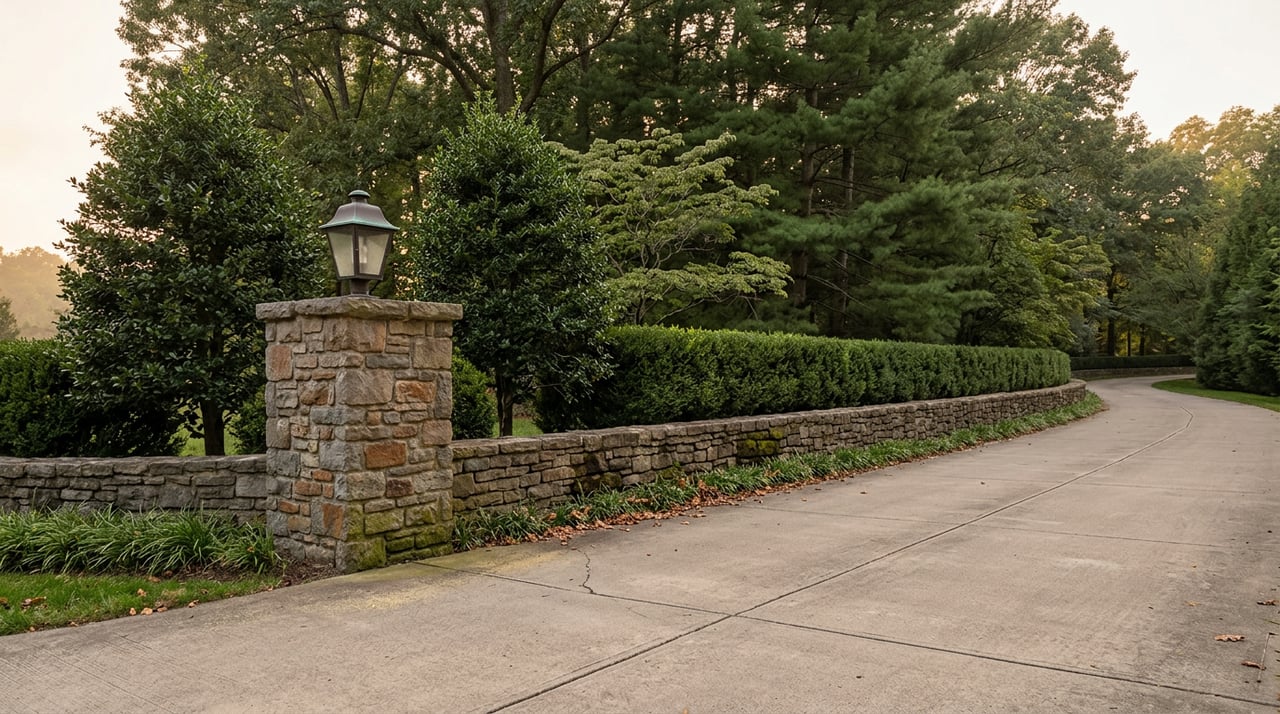
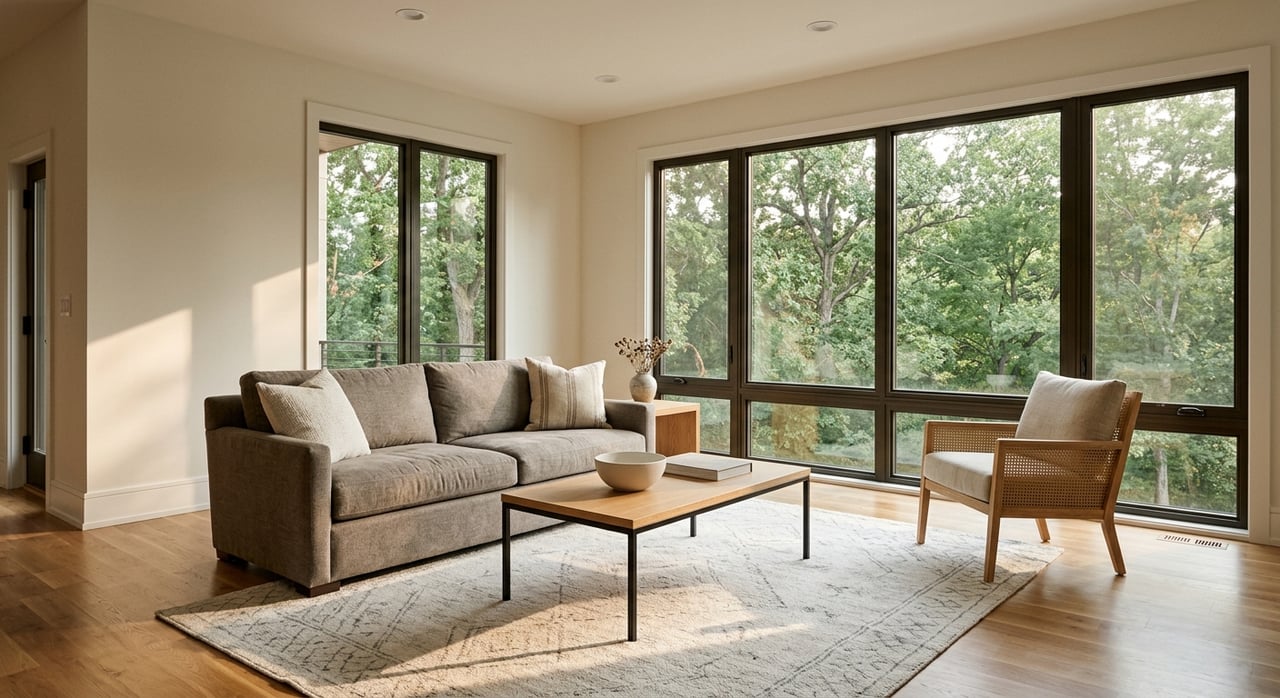
For the affluent downsizer selling a larger family home elsewhere in the Upstate, that translates into a specific tradeoff. Interior square footage is often modest by comparison to a new-build in Five Forks or Simpsonville. What you gain is a setting that new construction cannot replicate at any price: sight lines the club has curated for six decades, canopy trees that predate most of Greenville's suburban expansion, and enough distance between neighbors that the word privacy still means something.
For a second-home buyer from Atlanta or Charlotte, the same math reads differently. The property is a lifestyle asset first and a footprint second. Comparing it to a downtown Greenville condo on price per foot is like comparing a lake house to a hotel room by nightly rate.
The Market Is Tightening Under the Surface
The interesting part of the 2026 data is not the price. It is the pace.
Greenville County as a whole is running around a 3.7 to 4.7 month supply of inventory depending on the report window, with inventory up roughly 28% year over year and average days on market near 71 in March 2026. That is the textbook shape of a balanced-to-buyer market. Countywide, the sale-to-list ratio has settled around 98.3%.
Green Valley is moving in the opposite direction on the two metrics that matter most to a seller. Neighborhood days on market fell from 267 in 2025 to 159 in 2026, a 40% compression. The sale-to-list ratio climbed from 88% to 94%. Both numbers say the same thing: while the surrounding market is giving buyers more room, this specific enclave is giving them less than it did a year ago.
A buyer who walks in expecting the "buyers finally have leverage" narrative that fits the county headline is going to write an offer that gets passed over here. The playbook has to be recalibrated to what this neighborhood is actually doing, not what the region's aggregate is doing.
Where the Leverage Actually Lives
Because Green Valley is tightening on price discipline, the negotiation moves off headline price and onto terms. That is the transaction-specific friction worth flagging before you draft anything.
- Concessions over cuts. Ask for closing costs, a rate buy-down, or a repair credit rather than a large price reduction. The seller data suggests owners here are holding the line on list price but are more willing to solve the payment problem another way, especially with the Freddie Mac 30-year benchmark at 6.30% as of April 30, 2026.
- Inspection latitude. Estate homes on this range of build years, from 1950 to 2021, do not carry uniform mechanical or structural profiles. A rigorous inspection is not a hostile move here. It is expected. Older homes may have systems that were state of the art in 1978 and are now on borrowed time; newer ones may have custom finishes that need a specialist to evaluate.
- Survey and boundary review. With average parcels around 2.17 acres and irregular course-adjacent lot lines, the survey is not a formality. Fairway easements, cart-path setbacks, and mature-tree drip lines can materially affect what you can build, screen, or fence.
- Club membership mechanics. Green Valley Country Club membership is separate from real estate ownership. Confirm the current initiation, dues, and transfer process directly with the club before you assume the amenity comes with the address.
The single largest mistake buyers make on this side of the county is treating the club and the neighborhood as one instrument. They are two. Owning in Green Valley does not automatically make you a member, and membership terms change on the club's timetable, not yours.
A Word on the Course Itself
The George W. Cobb layout dates to 1958 and has been revised twice, by Tom Jackson in 2001 and later by Jan Bel Jan. From the Gold tees it plays 6,952 yards to a slope of 141 or 142 depending on the scorecard you read. The club adds three clay tennis courts, two hard courts, an indoor tennis facility, a fitness center, and a pool, with dining under the same roof.
What that means for a home value is straightforward. The course is not a new asset that could be flipped into townhouses in three years. It is an established anchor, professionally maintained, with a following that predates half the current membership. That stability is one reason the neighborhood is compressing days on market while the county expands them.
The Green Valley Property Owners Association manages the neighborhood side, and the community sits roughly eleven minutes from downtown Greenville, close to Furman University, the Swamp Rabbit Trail, and the Travelers Rest corridor. Locals will also tell you about the resident albino squirrels, which the POA treats as an unofficial mascot. That kind of texture doesn't show up on a data sheet, but it is part of what a buyer is actually purchasing.
Questions We Hear From Buyers Comparing Green Valley
Is Green Valley cheaper than downtown Greenville? On a raw price-per-square-foot basis, yes. On a like-for-like basis, no. The lower number reflects estate lots, not less house or a weaker market. For the three months ending May 2026, downtown Greenville was tracking at $317 per square foot on a median $490,000 sale price; Green Valley's per-foot figure runs lower because the acreage denominator is much larger.
What should I offer relative to list price? Recent neighborhood data puts the sale-to-list ratio at 94% in 2026, up from 88% the year before. That is tighter than the ~98% countywide figure sounds because Green Valley list prices tend to reflect longer negotiating room. Coming in at 90% of list here is a signal that you have not studied the specific block. Coming in at 96% with a concession request is a signal that you have.
Do I have to join the club? No. Membership is independent of ownership and is administered directly by Green Valley Country Club. Confirm current fees, waitlist status, and transfer terms with the club, not the seller.
How much does the age spread of the homes matter? Materially. A 1962 estate and a 2019 estate on the same street can have very different inspection profiles, insurance considerations, and renovation ceilings. Do not average them in your head. Underwrite them one at a time.
If you are weighing Green Valley against another Upstate enclave and want a read on a specific street, lot, or listing before you commit an afternoon to a showing, Teresa Jones Home Sales can put the neighborhood data next to your goals and tell you what the number on the portal is actually saying. Request Your Home Valuation to start the conversation.