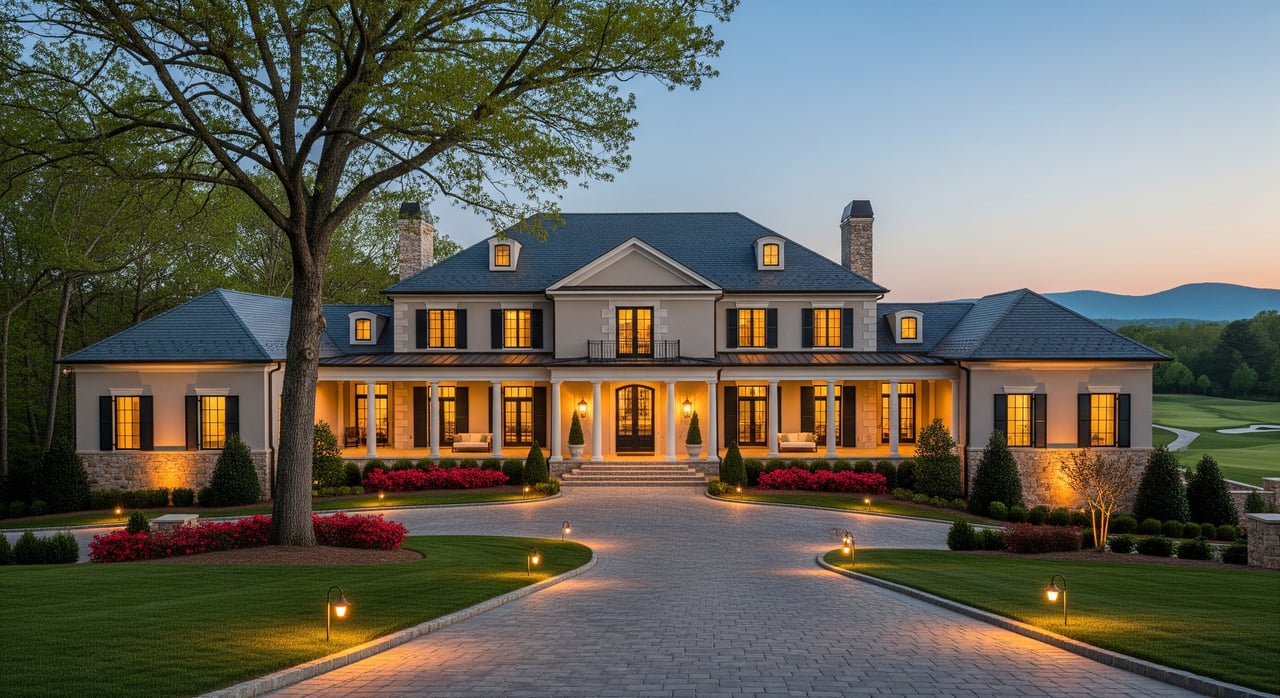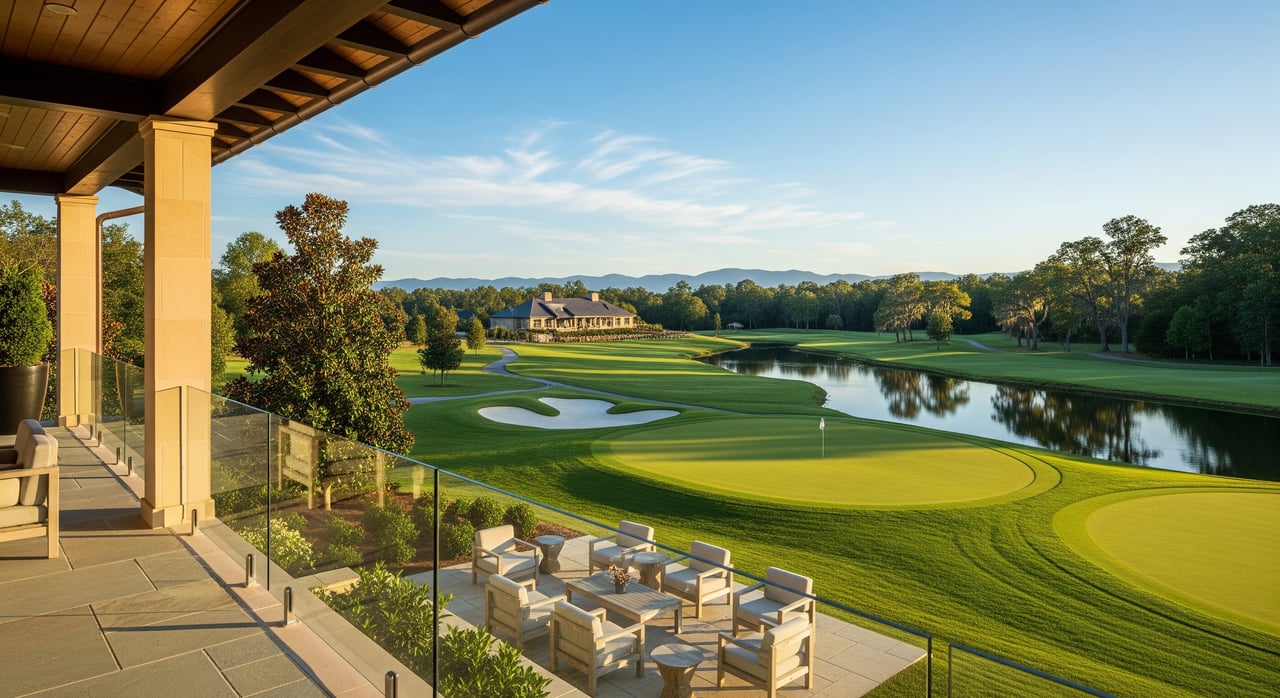
Golf Inc. Magazine once named Cherokee Valley one of North America's most innovative golf courses, part of a turnaround that started when Matt Jennings bought the course in 2017, back when it was still called The Gauntlet, and rebuilt it into what residents now call Cherokee Valley. The club added a full-service restaurant, Core 450, run by executive chef Todd Warden, who trained under James Beard award winner Bob Kinkead. That reputation has had years to settle into the neighborhood's identity.
None of that shows up in the housing numbers. Price per square foot in the neighborhood has dropped from $312 in 2025 to $246 so far in 2026, and homes are sitting on the market roughly a third longer than they were last year. If you're comparing Cherokee Valley against other Upstate golf communities right now, you've probably already seen that number and wondered whether it means the neighborhood is cooling off. It doesn't. It means the number you're looking at isn't measuring what you think it's measuring.
The Number That Doesn't Match the Mood
Here's what the year-over-year data actually shows, based on figures reported for Cherokee Valley through 2026 against full-year 2025:
| Metric | 2025 | 2026 |
|---|---|---|
| Price per square foot | $312 | $246 |
| Average days on market | 92 | 122 |
| Sale-to-list ratio | 96.0% | 95.0% |
Taken alone, that table reads like a neighborhood in retreat. Slower sales, softer pricing, buyers gaining leverage. And the aggregate data does describe current conditions as favoring buyers, with roughly eight active listings and 25 total sales over the past year. That's a real signal, and if you're negotiating on a specific house in Cherokee Valley today, it's worth knowing that leverage exists.
But 25 sales is a small enough sample that a handful of transactions can swing the average hard in either direction. And in Cherokee Valley specifically, those 25 sales aren't 25 versions of the same product. Some of them are custom homes on the fairway. Some of them are raw building lots. When an aggregator calculates "price per square foot" across a neighborhood, it's usually dividing sale price by the square footage of the structure, which works cleanly in a subdivision of similar houses. It works much less cleanly in a place where a meaningful share of what's selling doesn't have a finished structure on it yet.
One Name, Several Price Tags
Cherokee Valley isn't one price tier wearing one name. The broader Cherokee Valley footprint includes sub-communities like The Woodlands at Cherokee Valley and The Summit at Cherokee Valley, each tracked separately with its own median, and the spread between them is wide enough to make a single blended number close to meaningless as a shopping tool.
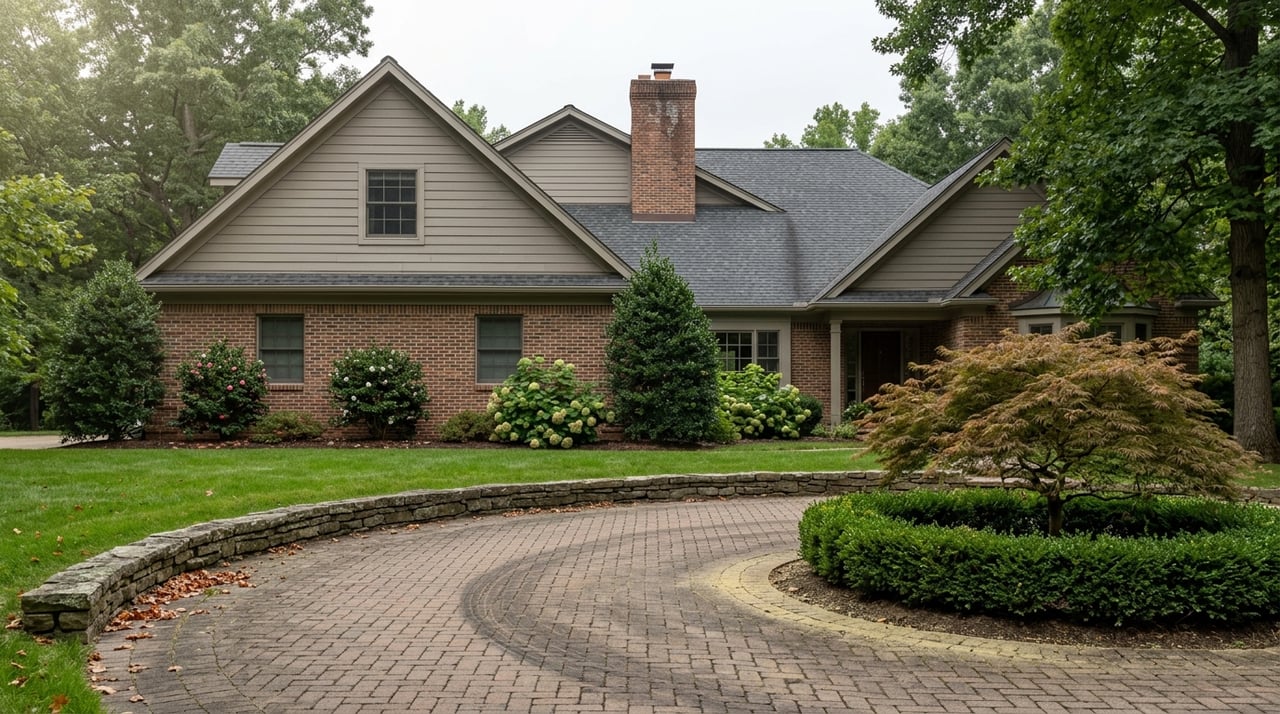
That range exists because Cherokee Valley is, at its core, a build-it-yourself community. A large share of available inventory at any given time is land and residential lots rather than completed homes, which is exactly why so many residents design and build on their own timeline instead of buying something finished. A buyer shopping listings today might be looking at:
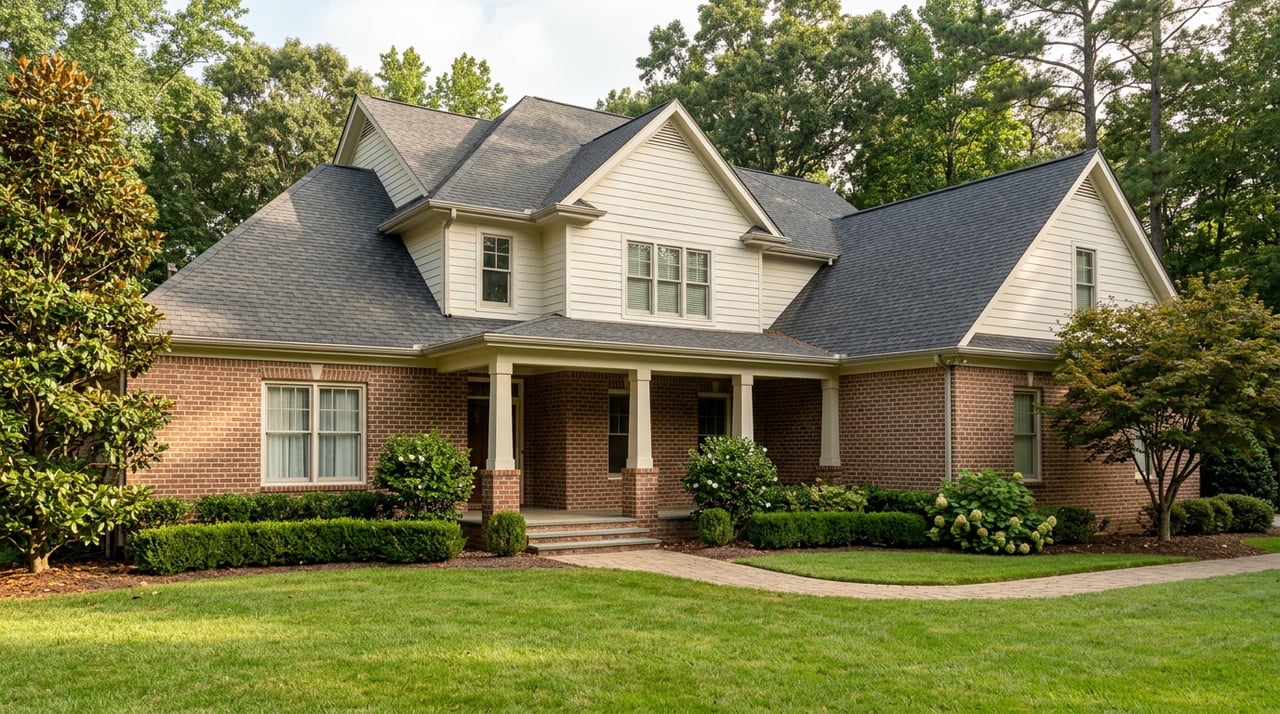
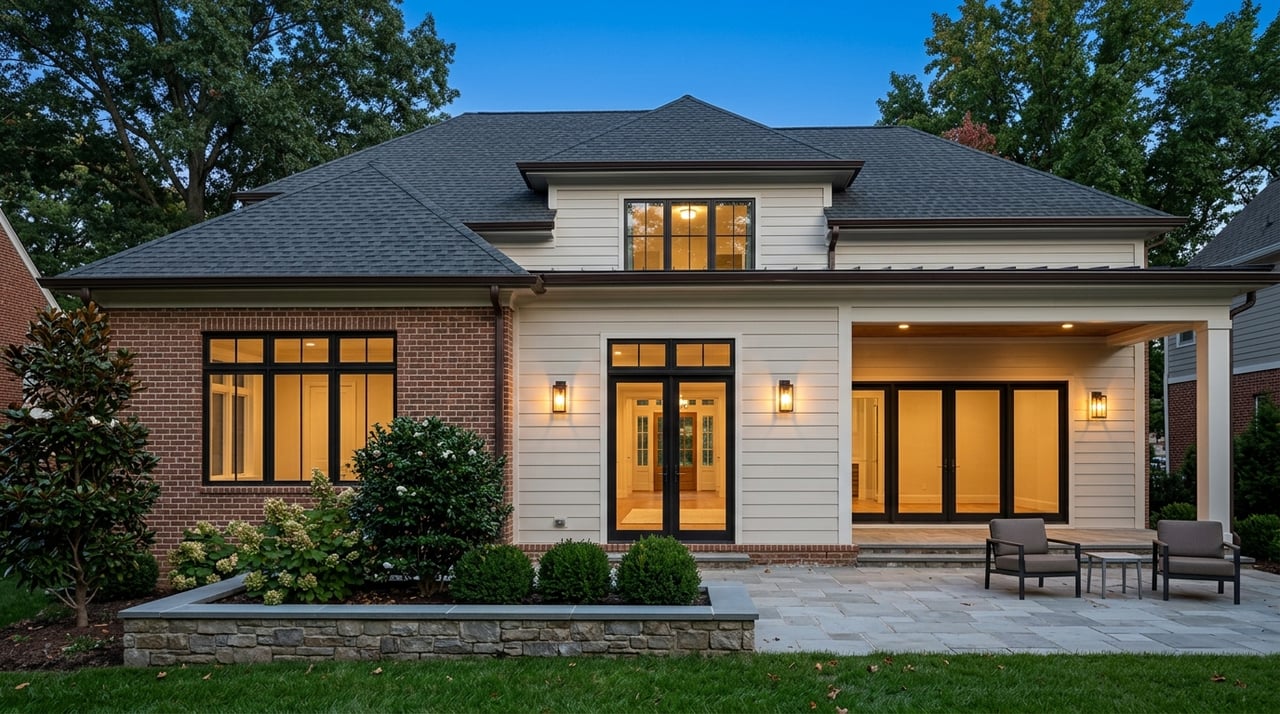
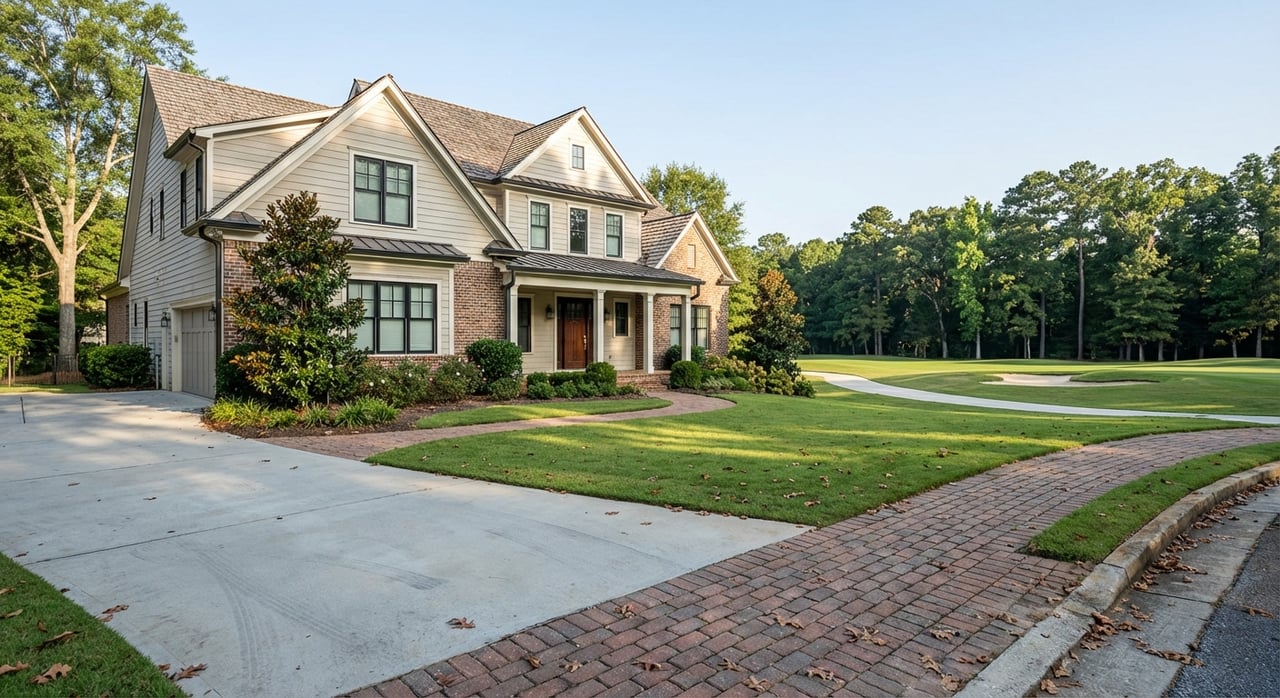
- A finished custom home on the fourth or seventh fairway, often with a walkout basement or bonus room, priced well above the blended average
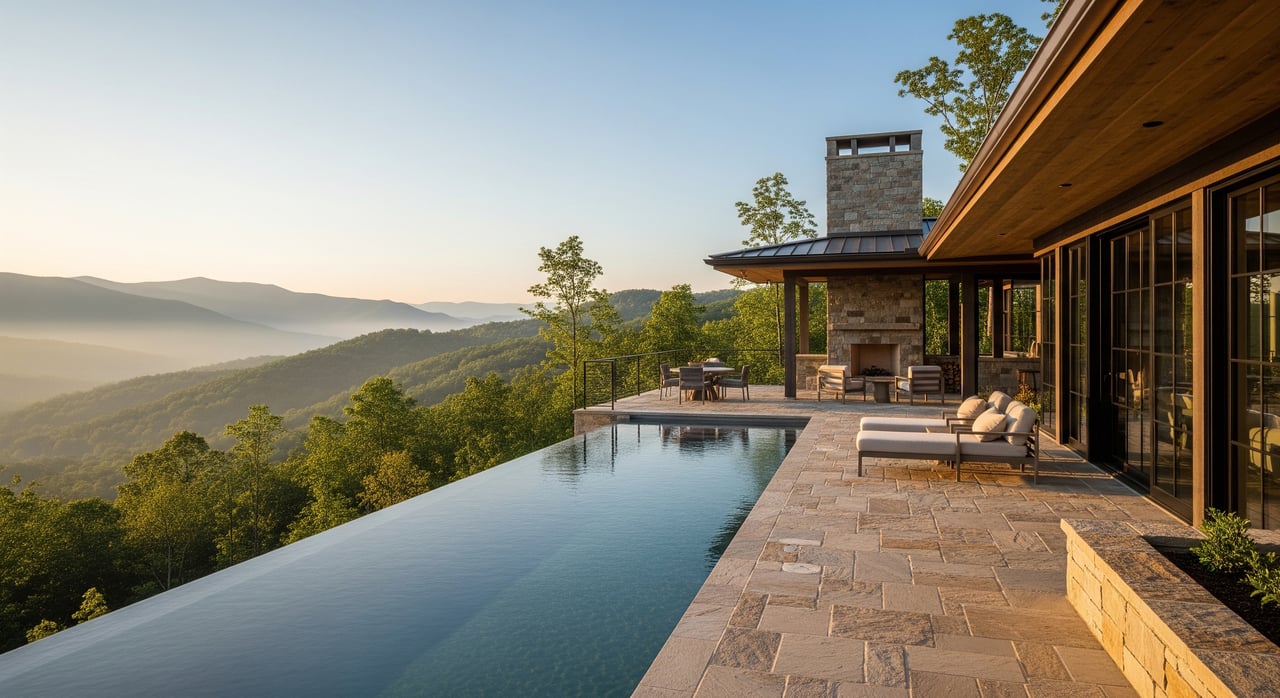
- A wooded, unimproved lot with mountain views and no structure at all, priced far below it
- A spec or builder-grade home moving through construction, priced somewhere between the two
Average those three together and you get a psf figure that doesn't describe any of them accurately. That's not a flaw in the data. It's what happens when you compress a build-to-suit community into a single line item.
Membership You Can Skip
The other piece that changes how you should read Cherokee Valley pricing is the club itself. Cherokee Valley Club is semi-private and open to public play, not a gatehouse community where club access is bundled into ownership. You can buy a home here and never touch the course. You can also show up as a guest and play a round without owning anything.
That's a structurally different arrangement than the mandatory-membership model you'll find at some of the other private communities in the Upstate, where club access is tied tightly to the property itself and buyers have to plan around reissuance timing and application approval before they can use the amenities they're paying to live near. At Cherokee Valley, membership tiers exist for families, singles, and even a program for golfers 35 and under, and property owners get certain privileges like personal cart use, but none of it is a prerequisite for closing on a house.
That matters for how you interpret price. In a mandatory-membership community, the home price often has the club's value baked into it, because you can't separate the two. In Cherokee Valley, the club's reputation, the award, the restaurant, the chef pedigree, can keep building without pulling every home price up in lockstep, because plenty of buyers here are purchasing the setting and the lot, not a club seat.
What the Club Is Actually Building
None of this means the amenity side of Cherokee Valley has been standing still, only that its biggest wins happened a few years back and are still working their way through resale data. The course itself was designed by P.B. Dye, and under Matt Jennings' ownership since 2017 it was repositioned from its previous identity as The Gauntlet into a course Golf Inc. Magazine recognized for its programming and membership innovation. Core 450, the restaurant that followed, sits with a patio view of the ninth and eighteenth greens and became the kind of dining draw that changes how a community gets talked about locally, well before it changes what a spec sheet says about square footage.
That kind of investment tends to show up in demand and reputation first. It shows up in resale data later, and often unevenly, because it depends on which specific homes trade in a given year and whether the buyer pool for custom fairway lots happens to be active that season. A club upgrade from several years ago doesn't retroactively raise the price of a home that closed last month. Whether it affects what the next comparable home might command remains to be seen in a market this thin.
What This Means If You're Comparing Neighborhoods Right Now
If you're cross-shopping Cherokee Valley against other golf-adjacent Upstate communities, the honest takeaway is this. The psf and days-on-market numbers tell you about negotiating conditions in the current pool of listings, and that pool skews toward land and lower-density product this year, which is genuinely useful if you're trying to gauge leverage on a specific house. The award, the restaurant, and the ownership turnaround tell you about the trajectory of the club itself, which is a separate and forward-looking signal. Reading either one alone gives you half the picture. Reading them together tells you that Cherokee Valley is a community where the club's trajectory is a separate signal from the aggregate housing data, and whether its amenity appeal affects future prices remains to be seen.
A Few Questions Buyers Ask
Do I have to join Cherokee Valley Club to live in the neighborhood? No. The club is semi-private and open to public play, and membership is a separate decision from buying a home. Property owners do get certain privileges, like personal cart use, but joining the club itself isn't required.
Why does the median price vary so much between Cherokee Valley and The Woodlands or The Summit at Cherokee Valley? Because those are tracked as distinct sub-communities with their own inventory mix. A single "Cherokee Valley" search often blends land, spec homes, and finished custom homes together, which is why comparing a specific listing to the neighborhood median can be misleading.
Is now a good time to buy in Cherokee Valley? Current data suggests buyers have more negotiating room than they did in 2025, with longer average time on market and a slightly softer sale-to-list ratio. Whether that translates into a good deal on a specific property depends heavily on whether you're buying land to build or a finished home, since those two categories behave differently in a thin market.
If you're weighing Cherokee Valley against other Upstate communities and want help separating what the data says from what a specific listing is actually worth, Teresa Jones Home Sales can walk you through the comparison property by property. Request Your Home Valuation to start the conversation.
This article is general information, not legal, tax or financial advice. Consult a qualified professional about your situation.