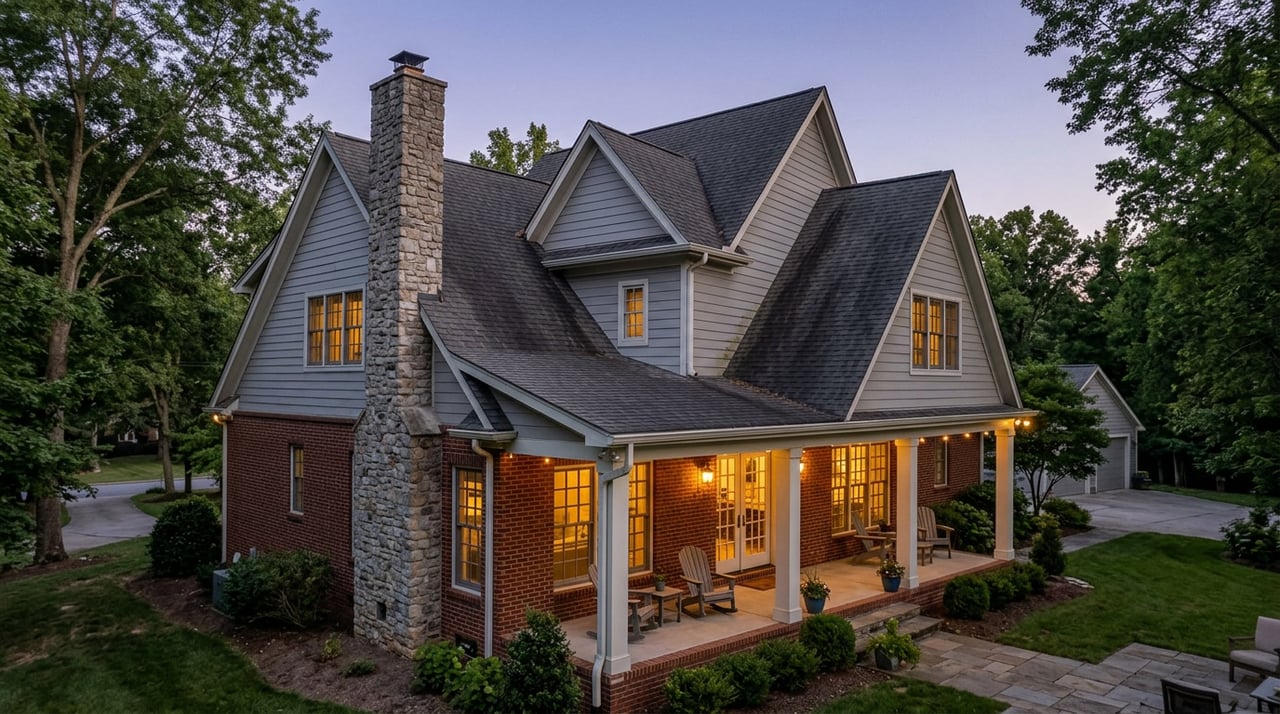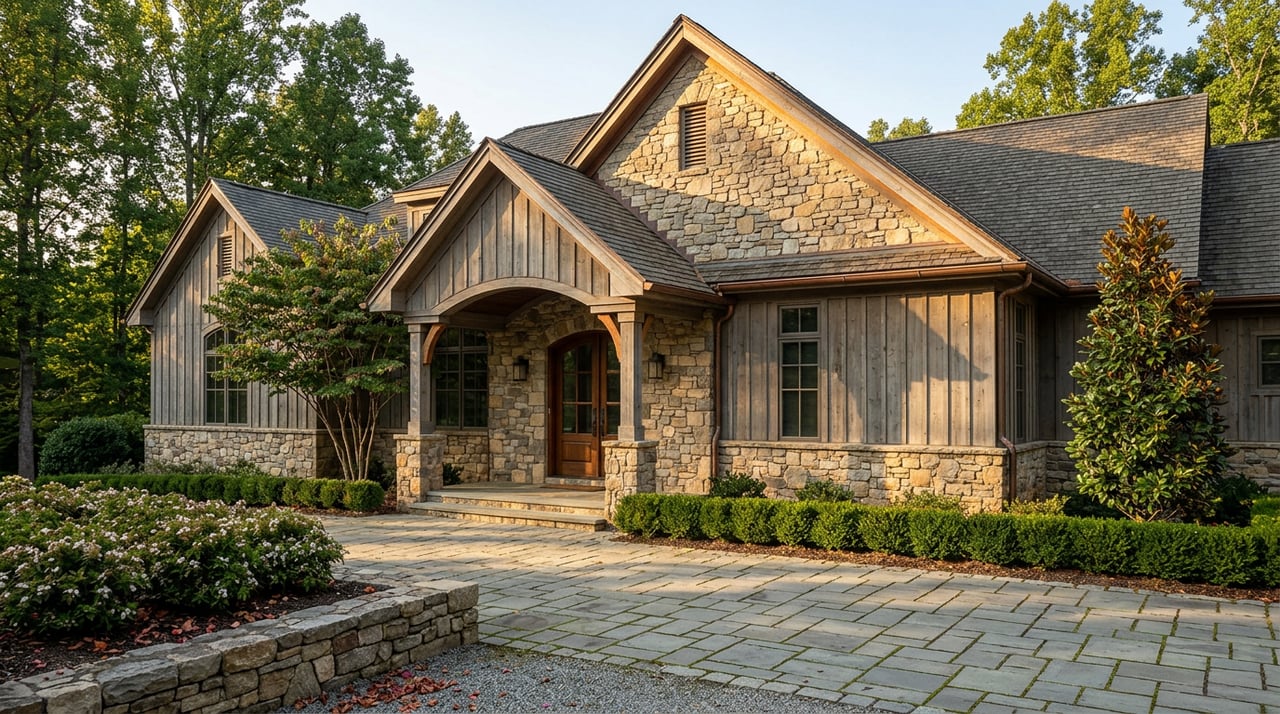
A buyer under contract on a Thornblade address usually expects one disclosure packet: a single HOA name, one fee, one set of covenants. Then the title company sends the recorded documents, and the subdivision name on the plat reads something like "Tamaron Parke at Thornblade" or "Thornblade Crossing Horizontal Property Regime." The listing sheet said Thornblade. The county says something else entirely.
That gap is not a paperwork error. It is the shape of the neighborhood itself. Thornblade, as most buyers encounter it through an address search, is a single name attached to a roughly 400-lot development laid out in the late 1980s around the Tom Fazio-designed golf course on Thornblade Boulevard in Greer. But the recorded reality underneath that name is a patchwork of separately governed communities, each with its own fee structure, its own gate or absence of one, and its own relationship to the club at the center of it all. A buyer or seller who treats "Thornblade" as a single product is working from the wrong map before the offer is even written.
One Search Result, Several Recorded Communities
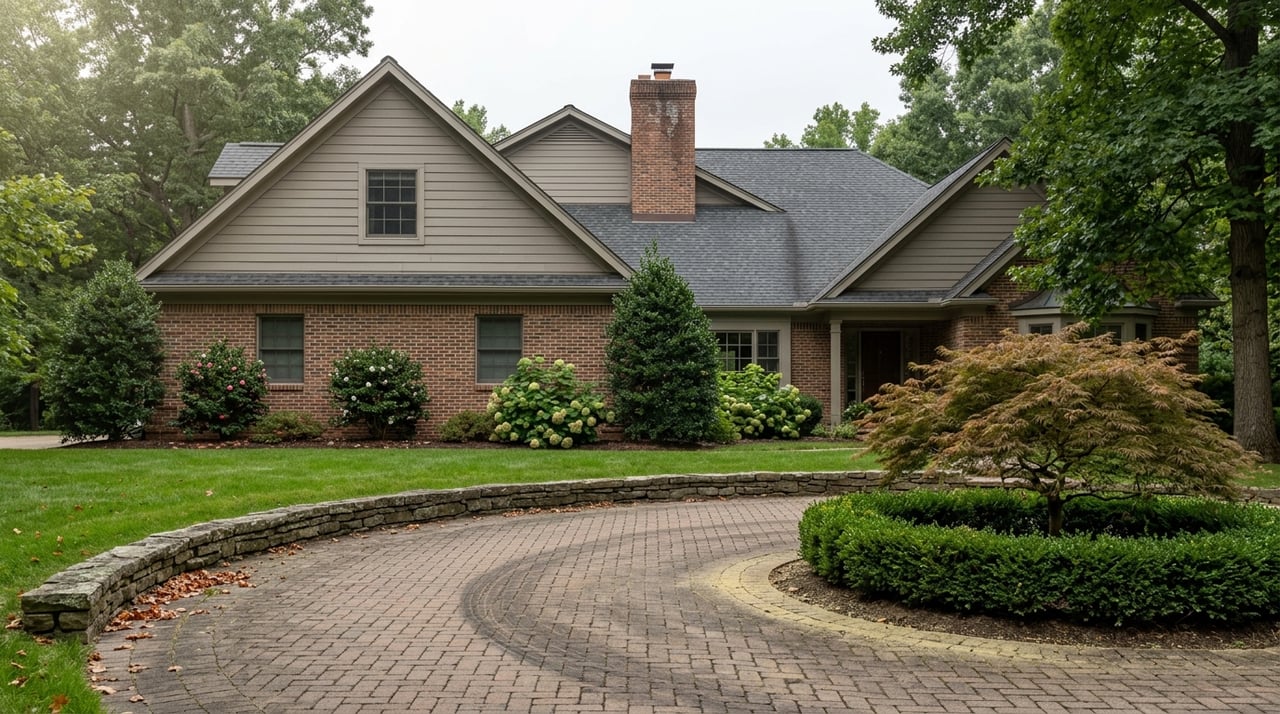
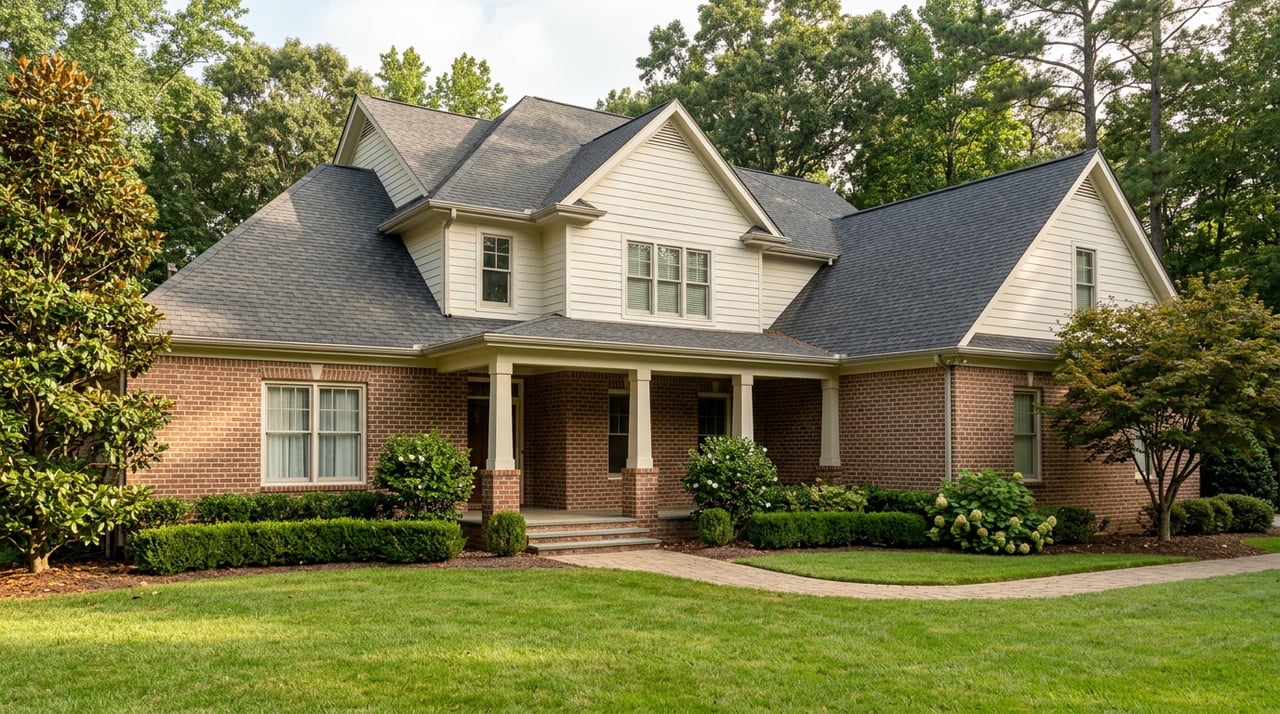
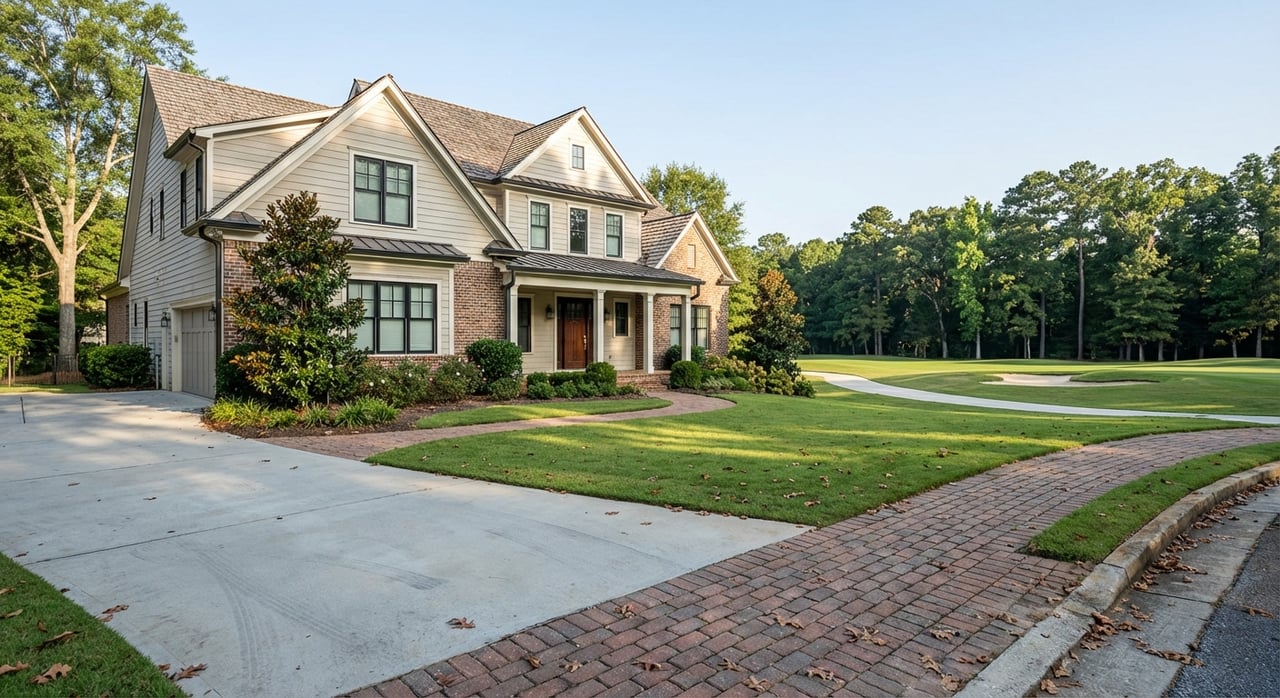
The core of Thornblade is detached single-family homes on lots that run from a quarter acre to more than half an acre, built mostly from the late 1980s through the 2000s around the Fazio golf course. Layered inside and around that core, though, sit at least four distinct legal communities, each gated separately and recorded separately at the county:
- Tamaron Parke at Thornblade, a gated enclave of 16 custom lots
- Enclave at Thornblade, a separately gated phase of large estate lots
- Thornblade Crossing, a gated townhome community of about 64 addresses built between 1998 and 2004
- Villas at Thornblade, roughly 29 townhomes built between 1994 and 1997 with direct frontage on the first, tenth, and eleventh fairways
Each of those carries its own recorded regime or association and its own fee, separate from whatever obligations attach to the core single-family section. A public listing record for a Tamaron Parke home that closed in 2024 shows a mandatory annual HOA fee of $2,000. A Thornblade Crossing listing from a few years earlier put the monthly regime fee at roughly $220, covering exterior and lawn maintenance the way attached-home communities typically do. Those numbers move over time the way any fee does, so the right move before writing an offer is confirming the current figure directly from the specific regime's management company rather than assuming last year's listing sheet still applies, and whether the specific section of the core neighborhood carries its own HOA obligation is exactly the kind of detail that needs verifying address by address rather than assumed from the neighborhood name alone.
The practical effect: two homes a quarter mile apart, both searchable under "Thornblade," can carry entirely different carrying costs, entirely different maintenance obligations, and entirely different gate access. Neither is more or less "Thornblade" than the other. They are simply different recorded products wearing the same marketing name.
The Club Sits Outside All of Them
None of those HOA or regime fees include Thornblade Club. Multiple sources describing the development are consistent on this point: club membership is a completely separate transaction from any homeowner association fee, and it is not required to own a home in any section of the neighborhood. The club states that access is by invitation and sponsorship, which means it works through an application and approval process rather than a line item that transfers automatically with the deed.
Cost data compiled by golf industry directories puts current Thornblade Club initiation in the $25,001 to $50,000 range, with annual dues between $5,001 and $10,000, spread across categories that include full golf, sports, social, and junior executive memberships. None of that appears on an HOA disclosure. A buyer who assumes the golf course view from the back deck comes with golf course access is making an assumption the paperwork does not support. If club access matters to the purchase, it needs its own line of due diligence, run in parallel with the closing timeline rather than folded into it.
For a fuller walkthrough of how membership categories and the application process work in practice, our Thornblade neighborhood guide goes deeper into what to confirm directly with the club before writing an offer that depends on it. The club's own membership page lays out the categories in more detail as well, available directly through Thornblade Club.
Same Address, Different Speed
The fee and governance split is not just an administrative curiosity. It shows up in how differently these sections are moving right now.
Market data covering 2026 shows the core single-family section of Thornblade in clear buyer's market territory: homes there are taking around 168 days to sell, and prices have softened by roughly 29 percent compared to the prior year. Buyers shopping that section currently have real negotiating room and time to decide.
Thornblade Crossing, the gated townhome section, is moving on an entirely different clock. The same 2026 data shows homes there selling in about 66 days, down from around 89 days the year before, with a sale-to-list ratio near 96.6 percent, well into balanced-market territory rather than a buyer's advantage. Villas at Thornblade sits somewhere in between, with homes there typically selling in about 83 days.
That divergence is the clearest evidence that "Thornblade" is not one market. A large custom estate on a golf-front lot in the core section is competing against a different buyer pool, a different price point, and a slower absorption rate than a low-maintenance townhome behind a second gate a few streets over. Anyone pricing a listing or evaluating an offer by looking at "Thornblade" comps as a single data set is averaging together homes that do not actually compete with each other.
What to Confirm Before You Write or Accept an Offer
For a buyer or a seller close to a transaction, the fragmented structure translates into a short, specific checklist:
- Confirm the exact recorded subdivision name on the tax record or plat, not just the marketing name on the listing
- Request the HOA or regime disclosure that actually attaches to that recorded subdivision, and verify the current fee amount and payment frequency directly with the management company
- Ask whether the fee is a true mandatory HOA, as in Tamaron Parke, or a regime fee tied to shared exterior maintenance, as in the townhome sections
- If club access matters to the purchase, treat the membership application as its own timeline, separate from the closing date, since a current member's dues status does not transfer automatically to a new owner
- Compare days-on-market and sale-to-list data within the specific sub-section, not the neighborhood as a whole, before setting expectations on price or timeline
None of this makes Thornblade harder to love. It makes it a neighborhood where the name on the search bar and the name on the deed can legitimately differ, and where getting the fee schedule and membership status right before the offer stage prevents a surprise at the closing table instead of after it.
A Few Questions Buyers Ask
Does buying a home in Thornblade include club membership? No. Membership at Thornblade Club is a separate application handled directly by the club through its invitation and sponsorship process, regardless of which section of the neighborhood the home sits in.
If the seller is a current club member, do I inherit that membership when I buy the house? No. Membership is tied to the individual member, not the property, so a new owner interested in joining applies on their own timeline through the club.
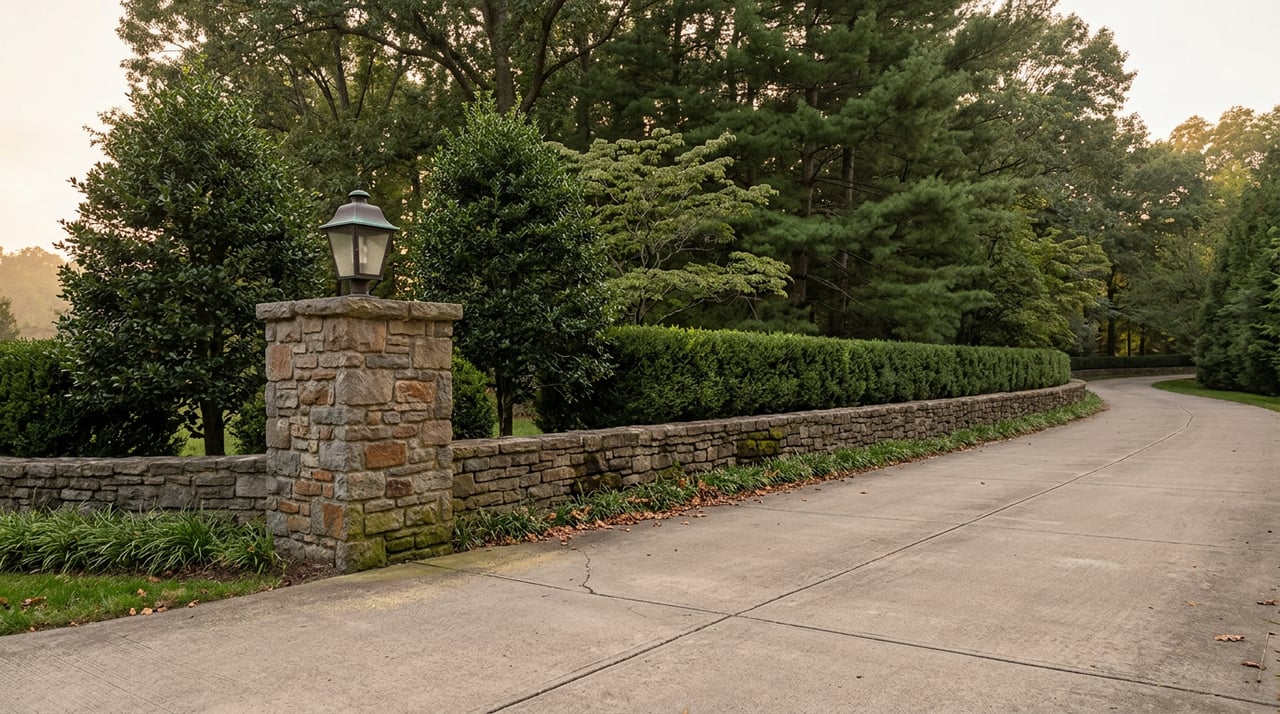
Are all of Thornblade's sections gated? No. The core single-family section is not gated. Tamaron Parke, Enclave at Thornblade, Thornblade Crossing, and Villas at Thornblade each have their own gated entrances, which is part of why their fee structures and maintenance responsibilities differ from the core section.
If you are weighing an offer in one of Thornblade's sections, or preparing to list a home there and want the fee and membership story told accurately from the first showing, Teresa Jones Home Sales can walk through exactly which recorded community your address belongs to before you sign anything.
This article is general information, not legal, tax or financial advice. Consult a qualified professional about your situation.